

Prescribed Sleeping Tablets: A UK Guide to Insomnia Medication
Persistent insomnia can affect concentration, mood, work performance, and general wellbeing. When lifestyle changes and other approaches are not enough, a healthcare professional may consider prescribing sleeping tablets for certain patients with severe sleep difficulties.
Prescription sleeping medication is different from ordinary pharmacy sleep aids. Medicines such as zopiclone and zolpidem are prescription-only medicines in the UK and are generally considered for short-term treatment of severe insomnia when clinically appropriate.
This guide explains what prescribed sleeping tablets are, the different types used for insomnia, how they work, their potential side effects, and why medical supervision is important.

Best Selling Sleep Aid Tablets in the UK

- Sleep Aid Tablets
Eszopiclone Tablets UK | Uses, Dosage & Side Effects
Select options This product has multiple variants. The options may be chosen on the product page - Anxiety Medication
Etizolam Tablets UK | Uses, Side Effects & Risks
Select options This product has multiple variants. The options may be chosen on the product page - Sleep Aid Tablets
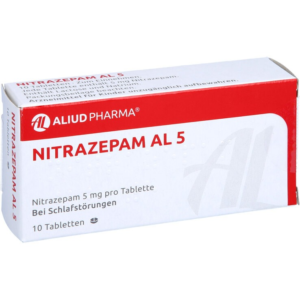
Nitrazepam Tablets 5mg UK | Uses & Side Effects
Select options This product has multiple variants. The options may be chosen on the product page


What Are Prescribed Sleeping Tablets?
Prescribed sleeping tablets are medicines that require authorisation from an appropriate prescriber before they can be supplied.
They may be considered when sleep problems are sufficiently severe to interfere with normal daily functioning and when medication is clinically appropriate.
Depending on the medicine and the patient’s symptoms, treatment may help with:
- Difficulty falling asleep
- Repeated waking during the night
- Severe short-term insomnia
- Sleep disruption affecting daytime functioning
However, prescription sleeping tablets are not automatically appropriate for everyone experiencing poor sleep.

Why Are Sleeping Tablets Prescribed?
Occasional sleeplessness can occur because of stress, travel, changes in routine, caffeine, or other temporary factors.
Persistent insomnia is different.
A healthcare professional may consider factors such as:
- How long the insomnia has lasted
- Difficulty falling or staying asleep
- Daytime impairment
- Existing health conditions
- Current medication
- Previous treatments
- Mental health
- Alcohol or substance use
- Possible underlying sleep disorders
The aim should be to treat the sleep problem appropriately rather than simply produce sedation.
Types of Prescribed Sleeping Tablets in the UK
There is no single medicine called a “prescription sleeping tablet.” Several types of medication can affect sleep.
Two well-known prescription hypnotics are zopiclone and zolpidem.
Zopiclone
Zopiclone is a prescription hypnotic used for the short-term treatment of severe insomnia.
It belongs to a group commonly known as Z-drugs.
Zopiclone enhances the activity of gamma-aminobutyric acid (GABA), an inhibitory neurotransmitter in the brain. This produces a calming and sedating effect.
Because tolerance and dependence can develop, zopiclone is generally prescribed for a limited period rather than as an indefinite treatment for insomnia.
Zolpidem
Zolpidem is another prescription hypnotic used for the short-term treatment of severe insomnia.
It also affects GABA-related signalling within the central nervous system, helping reduce brain activity associated with wakefulness.
As with other hypnotics, zolpidem requires appropriate prescribing and should be taken according to the patient’s individual treatment instructions.

Benzodiazepines and Sleep
Certain benzodiazepines have sedative properties and historically have been used in the management of insomnia.
However, they can cause tolerance and dependence and are not suitable as routine long-term solutions for poor sleep.
The exact medicine selected should depend on clinical circumstances rather than simply choosing the strongest sedative.
How Do Prescription Sleeping Tablets Work?
Different sleeping medicines have different mechanisms.
Z-drugs such as zopiclone and zolpidem influence the brain’s GABA system.
GABA reduces neuronal activity. Medicines that enhance GABA-related signalling can therefore produce effects including:
- Drowsiness
- Relaxation
- Reduced alertness
- Easier sleep initiation
This explains both their therapeutic effect and why they can impair activities requiring alertness.
How Quickly Do Prescribed Sleeping Tablets Work?
The onset of action varies between medicines and individuals.
Some hypnotics are relatively fast-acting, which is one reason they may be prescribed for use close to bedtime.
However, patients should follow the instructions supplied with their particular prescription.
If a prescribed dose appears ineffective, do not take an additional dose without medical advice.
How Long Are Sleeping Tablets Usually Prescribed For?
Many hypnotic medicines are intended for short-term use.
Treatment may be limited because continued use can increase the possibility of:
- Tolerance
- Dependence
- Withdrawal symptoms
- Rebound insomnia
- Next-day impairment
Tolerance means that the body becomes accustomed to a medicine and its effects can become less pronounced.
This should not be addressed by increasing the dose without medical supervision.
Can Prescribed Sleeping Tablets Cause Dependence?
Yes. Some prescription sleeping medicines can cause physical or psychological dependence.
The likelihood can be influenced by the:
- Specific medication
- Dose
- Duration of treatment
- Patient’s medical history
- Use of other sedating medicines
- Use of alcohol or other substances
Dependence is an important reason why many hypnotics are prescribed for relatively short periods.
If you’ve been taking sleeping medication regularly, seek appropriate medical advice before making significant changes to your treatment.
Side Effects of Prescribed Sleeping Tablets
Side effects vary considerably between medicines.
Potential effects associated with some prescription hypnotics include:
- Daytime drowsiness
- Dizziness
- Headache
- Reduced concentration
- Poor coordination
- Memory problems
- Unusual dreams
- Gastrointestinal symptoms
More serious adverse effects can occur.
Always read the patient information leaflet supplied with the medicine and seek professional advice if you experience concerning symptoms.
Prescribed Sleeping Tablets and Next-Day Drowsiness
Residual sedation is particularly important with sleep medication.
A medicine taken at night can sometimes continue to impair alertness the following morning.
This can affect activities such as:
- Driving
- Cycling
- Operating machinery
- Working at height
- Performing safety-critical work
Do not drive or undertake potentially dangerous activities if the medication is affecting your alertness, coordination or concentration.
Can You Drink Alcohol With Prescription Sleeping Tablets?
Alcohol can increase the sedative effects of many sleeping medicines.
Combining alcohol with a central nervous system depressant can increase the risk of:
- Excessive sedation
- Poor coordination
- Impaired judgement
- Difficulty waking
- Breathing problems
Follow the instructions supplied with the specific medication and the advice of your prescriber or pharmacist.
Who May Need Additional Assessment Before Taking Sleeping Tablets?
Prescription sleeping medication isn’t appropriate for everyone.
Additional assessment may be particularly important for people with:
- Breathing disorders
- Sleep apnoea
- Liver problems
- Kidney problems
- Myasthenia gravis
- Certain mental health conditions
- Previous medication dependence
- Substance-use problems
Pregnancy, breastfeeding, older age, and concurrent medication can also influence whether a particular treatment is suitable.
Prescribed Sleeping Tablets vs Pharmacy Sleep Aids
These two categories should not be confused.
Pharmacy Sleep Aids
Certain products for temporary sleep problems may be obtainable from pharmacies without a prescription.
Some contain sedating antihistamines.
These medicines can still cause side effects and aren’t necessarily appropriate for persistent insomnia.
Internal link: non-prescription sleeping tablets
Prescription Sleeping Tablets
Prescription hypnotics such as zopiclone and zolpidem require appropriate prescribing in the UK.
They may be considered for severe short-term insomnia where clinically appropriate.
The fact that a medicine is advertised or available through a website does not change its legal classification or prescribing requirements.
What Is the Strongest Prescribed Sleeping Tablet?
Searching for the “strongest sleeping pill” isn’t a good way to choose treatment.
A stronger sedative is not automatically a better insomnia treatment.
Healthcare professionals consider factors such as:
- Type of sleep problem
- Duration of symptoms
- Other medications
- Medical history
- Potential interactions
- Duration of action
- Side-effect profile
- Dependence risk
The appropriate treatment is therefore individual rather than simply based on sedative strength.
What If Prescribed Sleeping Tablets Stop Working?
Reduced effectiveness can sometimes occur with continued use of certain hypnotics.
Do not respond by increasing the dose yourself.
A prescriber may need to assess whether:
- Tolerance has developed
- The underlying insomnia has changed.
- Another condition is interfering with sleep.
- Medication remains appropriate
- A non-drug treatment would be preferable.
Continually increasing sedation does not address the underlying cause of chronic insomnia.
Alternatives to Prescription Sleeping Tablet
Medication isn’t the only treatment for insomnia.
Depending on the cause of poor sleep, useful approaches can include:
- Regular sleeping and waking times
- Reducing caffeine later in the day
- Limiting alcohol
- Regular daytime exercise
- Reducing screen exposure before bedtime
- Managing stress
- Maintaining a dark and comfortable bedroom
- Establishing a consistent bedtime routine
Persistent insomnia may require a more structured treatment approach.
CBT-I for Persistent Insomnia
Cognitive Behavioural Therapy for Insomnia (CBT-I) is an important non-drug treatment for persistent insomnia.
Rather than simply producing sedation, CBT-I addresses behaviours and thought patterns that can perpetuate sleep difficulties.
This distinction matters because long-term insomnia often requires treatment of its underlying mechanisms rather than indefinite reliance on sleeping medication.
When Should You Speak to a GP or Healthcare Professional?
Seek professional advice when:
- Sleep problems persist for several weeks.
- Insomnia significantly affects daytime functioning.
- You regularly rely on medication to sleep.
- Your prescribed treatment stops working.
- You experience significant side effects.
- Anxiety or low mood accompanies insomnia.
- You experience severe daytime sleepiness.
- You snore heavily or experience breathing interruptions while sleeping.
These symptoms can warrant further investigation.
Frequently Asked Questions About Prescribed Sleeping Tablets
What sleeping tablets can be prescribed in the UK?
Several medicines can be used depending on the patient’s circumstances. Zopiclone and zolpidem are examples of prescription hypnotics used for severe short-term insomnia.
Is Zopiclone a prescribed sleeping tablet?
Yes. Zopiclone is a prescription-only hypnotic used for short-term treatment of severe insomnia.
Is Zolpidem prescription-only in the UK?
Yes. Zolpidem is a prescription-only medicine in the UK.
Can I get strong sleeping tablets without a prescription?
Prescription-only medicines remain prescription-only regardless of where they are advertised. Pharmacy sleep aids and prescription hypnotics should not be treated as interchangeable products.
How long can you take prescribed sleeping tablets?
It depends on the medicine and individual treatment plan. Many hypnotics are intended primarily for short-term treatment because tolerance and dependence can develop.
Can sleeping tablets become addictive?
Some prescription hypnotics can cause dependence, particularly with inappropriate or prolonged use.
Can I take two sleeping tablets if one doesn’t work?
Do not exceed the prescribed dose because a medicine appears ineffective. Contact the prescribing healthcare professional or pharmacist for advice.
Why am I still not sleeping after taking sleeping tablets?
There are numerous possible explanations, including tolerance, stress, an underlying sleep disorder, or another medical condition. Persistent symptoms should be reviewed rather than managed by independently increasing medication.
Prescribed Sleeping Tablets: Final Thoughts
Prescribed sleeping tablets can have a legitimate role in the treatment of severe insomnia, but they are not intended to be a universal solution for every sleeping problem.
Medicines such as zopiclone and zolpidem can produce substantial sedative effects and therefore require appropriate prescribing, careful dosing, and awareness of potential side effects and dependence.
For persistent insomnia, the longer-term objective should be to understand why sleep is being disrupted and select treatment accordingly.
More :
For persistent insomnia, the longer-term objective should be to understand why sleep is being disrupted and select treatment accordingly.