

Sleeping Pills UK: A Complete Guide to Sleep Medications
Difficulty sleeping occasionally is common, but persistent insomnia can have a significant effect on concentration, mood, energy, and everyday life. This leads many people to search for sleeping pills in the UK to understand what treatments are available and whether medication could help.
There are several approaches to treating sleep problems in the UK. Some short-term sleep aids may be available through pharmacies, while stronger hypnotic medicines require a prescription and appropriate clinical assessment.
This guide explains the different types of sleeping tablets, how they work, their potential risks, and what UK consumers should know before considering medication for insomnia.

Best Selling Sleep Aid Tablets in the UK

- Sleep Aid Tablets
Eszopiclone Tablets UK | Uses, Dosage & Side Effects
Select options This product has multiple variants. The options may be chosen on the product page - Anxiety Medication
Etizolam Tablets UK | Uses, Side Effects & Risks
Select options This product has multiple variants. The options may be chosen on the product page - Sleep Aid Tablets
Nitrazepam Tablets 5mg UK | Uses & Side Effects
Select options This product has multiple variants. The options may be chosen on the product page
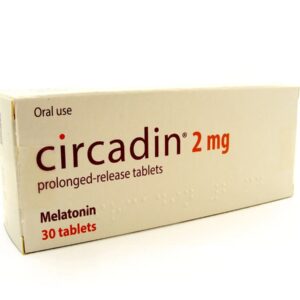
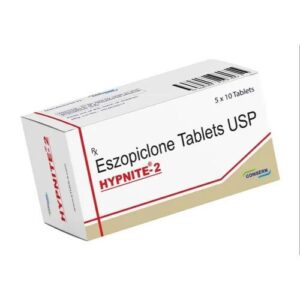

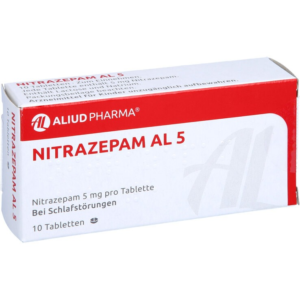
What Are Sleeping Pills?
Sleeping pills are medicines or sleep aids intended to help with problems such as falling asleep or remaining asleep.
They are not all the same.
Depending on the active ingredient, a sleeping medicine may:
- Produce drowsiness
- Reduce alertness
- Help someone fall asleep faster.
- Reduce night-time waking
- Support short-term management of severe insomnia.
Some products are available from pharmacies, while others are prescription-only medicines.

What Is Insomnia?
Insomnia means regularly experiencing difficulty sleeping despite having an adequate opportunity to sleep.
Symptoms can include:
- Difficulty falling asleep
- Waking several times during the night
- Waking earlier than intended
- Difficulty returning to sleep
- Feeling tired after waking
- Daytime irritability
- Poor concentration
An occasional sleepless night doesn’t necessarily mean someone has chronic insomnia.
When sleep problems continue and interfere with normal life, identifying the underlying cause becomes particularly important.
What Causes Sleep Problems?
There are numerous potential causes of insomnia.
These include:
- Stress
- Anxiety
- Depression
- Chronic pain
- Shift work
- Jet lag
- Caffeine
- Nicotine
- Alcohol
- Certain medicines
- Menopause
- Restless legs syndrome
- Sleep apnoea
- Poor sleeping habits
- An unsuitable sleeping environment
The appropriate treatment therefore depends partly on why the person isn’t sleeping properly.
What Types of Sleeping Pills Are Available in the UK?
People searching for sleeping pills in the UK should understand the distinction between pharmacy sleep aids and prescription sleeping medication.
Pharmacy Sleep Aids
Certain products intended for temporary sleeping difficulties can be obtained through pharmacies.
Some contain sedating antihistamines.
Older antihistamines can produce significant drowsiness because they affect histamine receptors involved in wakefulness.
Possible side effects can include:
- Daytime sleepiness
- Dry mouth
- Dizziness
- Blurred vision
- Reduced concentration
These products aren’t necessarily appropriate for persistent insomnia simply because they may be available without a prescription.
Prescription Sleeping Pills in the UK
Prescription hypnotics may sometimes be considered for severe insomnia when the condition is significantly affecting everyday functioning.
These medicines require appropriate medical supervision.
Examples include:
- Zopiclone
- Zolpidem
Certain other medicines may also be used depending on the patient’s circumstances and the underlying sleep disorder.
Zopiclone Sleeping Tablets
Zopiclone is a prescription hypnotic used for the short-term treatment of severe insomnia.
It belongs to a group commonly called Z-drugs.
Zopiclone enhances inhibitory signalling within the central nervous system, producing a sedative effect that can help with sleep.
It is generally intended for short-term rather than indefinite use because tolerance and dependence can develop.
Zolpidem Sleeping Tablets
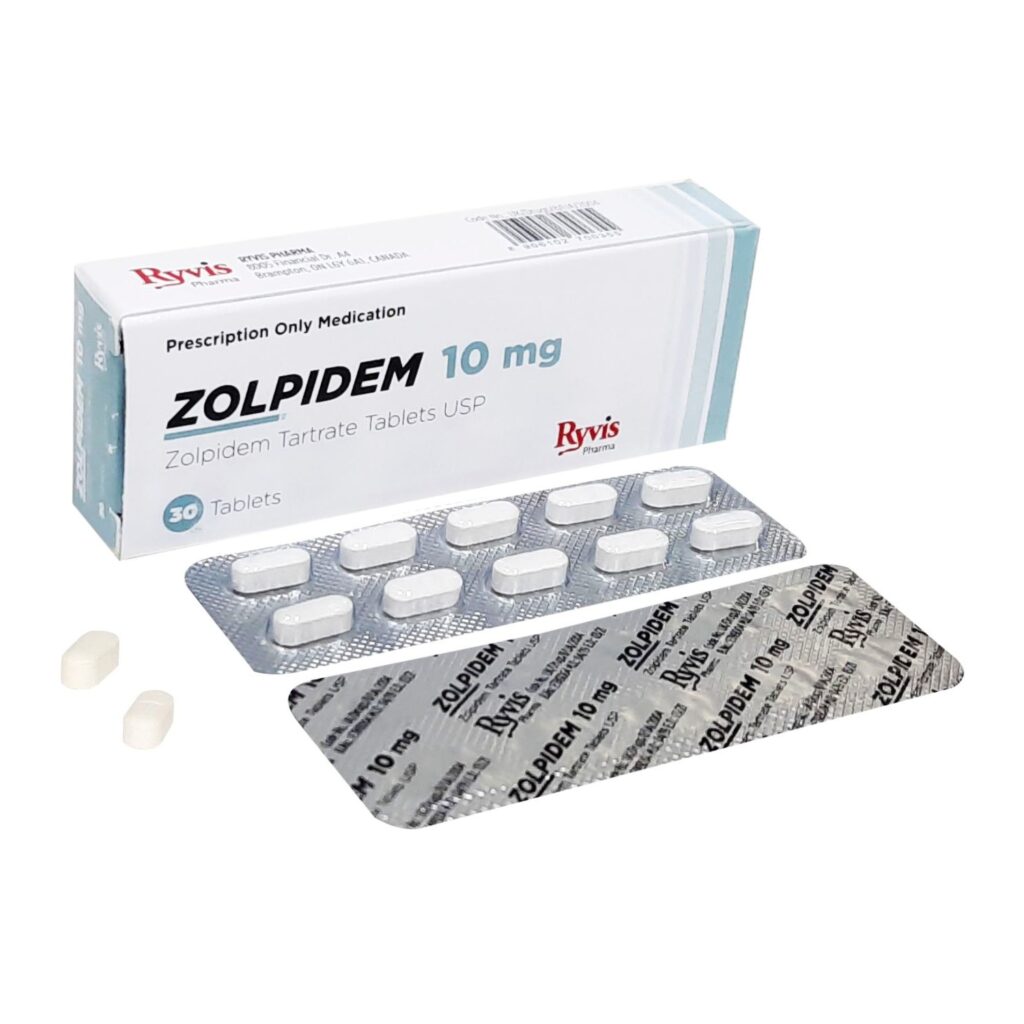
Zolpidem is another prescription hypnotic used for the short-term treatment of severe insomnia.
Like zopiclone, it acts on GABA-related signalling in the brain and produces a calming, sedative effect.
Zolpidem sleep aid
How Do Sleeping Pills Work?
Different sleeping medicines use different mechanisms.
Some prescription hypnotics influence gamma-aminobutyric acid (GABA).
GABA is an inhibitory neurotransmitter that reduces certain forms of neuronal activity. Medicines that enhance its effects can produce:
- Relaxation
- Drowsiness
- Reduced alertness
- Faster sleep onset
Sedating antihistamines work differently by blocking histamine receptors involved in wakefulness.
This is why two medicines described as “sleeping pills” may have substantially different effects, risks, and prescribing requirements.
How Quickly Do Sleeping Tablets Work?
The onset of action depends on the specific medication.
Some prescription hypnotics are relatively fast-acting and may therefore be prescribed for use shortly before bedtime.
However, patients should follow the directions supplied with their particular medicine rather than assuming that every sleeping tablet works at the same speed.
Never take an additional dose because a sleeping medicine appears to be taking longer than expected to work.
How Long Can You Take Sleeping Pills?
Many prescription hypnotics are intended primarily for short-term treatment.
Prolonged use can increase the risk of:
- Tolerance
- Dependence
- Withdrawal symptoms
- Rebound insomnia
- Daytime impairment
The appropriate treatment duration depends on the medicine and individual circumstances.
If a prescribed sleeping medicine becomes less effective, speak with the prescribing healthcare professional rather than increasing the dose yourself.
Are Sleeping Pills Addictive?
Side effects depend on the active ingredient.
Possible effects associated with various sleeping medicines include:
- Daytime drowsiness
- Dizziness
- Headache
- Poor coordination
- Reduced concentration
- Memory problems
- Unusual dreams
- Gastrointestinal symptoms
Some medicines can cause more serious reactions.
Always consult the patient information leaflet supplied with the specific medication and seek medical advice for severe or concerning symptoms.
Sleeping Pills and Next-Day Drowsiness
One particularly important consideration is residual sedation.
Even though a sleeping medicine is taken at night, its effects can sometimes continue the following morning.
This can affect:
- Driving
- Cycling
- Operating machinery
- Working at height
- Tasks requiring concentration
Don’t drive or perform potentially dangerous activities when medication is impairing your alertness
Can You Drink Alcohol With Sleeping Pills?
Combining alcohol with sedating medication can significantly increase central nervous system depression.
Potential consequences include:
- Excessive drowsiness
- Poor coordination
- Impaired judgement
- Difficulty waking
- Breathing problems
Follow the specific medicine’s patient information and professional advice concerning alcohol.
Can You Drink Alcohol With Sleeping Pills?
Combining alcohol with sedating medication can significantly increase central nervous system depression.
Potential consequences include:
- Excessive drowsiness
- Poor coordination
- Impaired judgement
- Difficulty waking
- Breathing problems
Follow the specific medicine’s patient information and professional advice concerning alcohol.
Who Should Be Particularly Careful With Sleeping Medication?
Sleeping medication isn’t suitable for everyone.
Additional assessment may be necessary for people with:
- Sleep apnoea
- Respiratory problems
- Liver disease
- Kidney disease
- Myasthenia gravis
- Certain mental health conditions
- Previous medication or substance dependence
Pregnancy, breastfeeding, older age and other medications can also influence which treatments are appropriate.
Prescription vs Non-Prescription Sleeping Pills
The distinction is important.
Non-Prescription Sleep Aids
These may be appropriate for certain temporary sleeping difficulties and can include products available through pharmacies.
Prescription Sleeping Pills
Medicines such as zopiclone and zolpidem require a prescription in the UK and are generally used for severe short-term insomnia when clinically appropriate.
A medicine being available online doesn’t change its legal classification.
Are Natural Sleep Aids an Alternative?
Some people prefer to investigate non-drug or complementary approaches before considering prescription medication.
Depending on individual circumstances, options may include:
- Relaxation techniques
- Regular exercise
- Improving sleep routines
- Addressing stress
- Reducing caffeine
- Certain supplements where appropriate
“Natural” doesn’t automatically mean safe, however. Supplements can cause side effects and interact with medicines.
How to Improve Sleep Without Sleeping Pills
Good sleep habits can make a substantial difference, particularly when they are followed consistently.
Try to:
- Maintain regular sleeping and waking times.
- Avoid caffeine later in the day.
- Limit alcohol.
- Exercise regularly during the daytime.
- Avoid large meals immediately before bed.
- Reduce screen exposure before bedtime.
- Keep your bedroom dark and quiet.
- Maintain a comfortable bedroom temperature.
- Develop a relaxing bedtime routine.
These strategies can also complement professionally recommended treatment.
What About Long-Term Insomnia?
Persistent insomnia deserves more than repeatedly changing sleeping tablets.
The underlying problem may need investigation.
One important treatment for persistent insomnia is Cognitive Behavioural Therapy for Insomnia (CBT-I).
Rather than simply producing sedation, CBT-I addresses behaviours and thought patterns that can contribute to ongoing sleep problems.
A healthcare professional can help determine whether this or another treatment is appropriate.
When Should You Speak to a Healthcare Professional?
Consider seeking professional advice when:
- Insomnia continues for several weeks.
- Poor sleep significantly affects daily functioning.
- You’re relying on sleep medication regularly.
- Your existing treatment stops working.
- You experience significant side effects.
- Anxiety or depression accompanies your sleep difficulties.
- You snore heavily or experience interrupted breathing.
- You experience severe daytime sleepiness.
Persistent sleep problems can sometimes indicate an underlying condition that requires assessment.
Sleeping Pills UK: Choosing the Appropriate Treatment
The most suitable treatment isn’t necessarily the strongest sleeping tablet.
A healthcare professional may consider:
- Your type of insomnia
- Duration of symptoms
- Medical history
- Existing medications
- Age
- Other health conditions
- Previous sleep treatments
This assessment helps determine whether medication is appropriate and, if so, which treatment is most suitable.
Frequently Asked Questions About Sleeping Pills UK
What sleeping pills are available in the UK?
Different pharmacy and prescription treatments are available. Prescription hypnotics used for severe short-term insomnia include medicines such as zopiclone and zolpidem.
Can you get sleeping pills without a prescription in the UK?
Certain pharmacy sleep aids may be available without a prescription. However, prescription hypnotics such as zopiclone and zolpidem require an appropriate prescription.
What is the strongest sleeping pill in the UK?
“Strongest” isn’t a useful way to choose insomnia treatment. Different medicines have different indications, durations of action, side effects and risks. Treatment should be selected according to the patient’s clinical circumstances.
Is Zopiclone a sleeping pill?
Yes. Zopiclone is a prescription hypnotic used for the short-term treatment of severe insomnia.
Is Zolpidem available in the UK?
Zolpidem is a prescription-only hypnotic medicine used for short-term treatment of severe insomnia when clinically appropriate.
Can you take sleeping pills every night?
That depends on the particular medication and treatment plan. Many prescription hypnotics are intended primarily for short-term treatment because tolerance and dependence can develop.
What should I do if my sleeping tablets stop working?
Don’t increase the dose yourself. Speak with the prescribing healthcare professional because reduced effectiveness may indicate tolerance or another issue requiring assessment.
Are sleeping tablets safe?
Safety depends on the medication, dose, duration, medical history and other medicines or substances being used. Follow the prescribing instructions and patient information supplied with the medicine.
Sleeping Pills UK: Final Thoughts
People searching for sleeping pills UK have a wide range of information to navigate, but the first distinction to understand is between temporary pharmacy sleep aids and prescription hypnotic medicines.
Prescription treatments such as zopiclone and zolpidem may have a role in treating severe short-term insomnia, but they aren’t intended as universal or indefinite solutions to poor sleep.
For persistent sleep problems, identifying the underlying cause and obtaining appropriate professional advice can be more valuable than repeatedly changing medication.