

Sleep Sleeping Pills: A Guide to Sleeping Tablets and Sleep
Getting enough quality sleep is essential for physical health, concentration, mood, and everyday wellbeing. Yet many adults experience periods when falling asleep or remaining asleep becomes difficult.
This can lead people to search online for sleep pills and other treatments that might help them get a better night’s rest.
Sleeping pills can play a role in treating certain forms of insomnia, but different products work in different ways. Some are pharmacy sleep aids, while others are prescription-only medicines that should be used under appropriate medical supervision.
This guide explains the different types of sleeping pills, how they work, potential side effects, and when persistent sleeping difficulties should be discussed with a healthcare professional.

Best Selling Sleep Aid Tablets in the UK

- Sleep Aid Tablets
Eszopiclone Tablets UK | Uses, Dosage & Side Effects
Select options This product has multiple variants. The options may be chosen on the product page - Anxiety Medication
Etizolam Tablets UK | Uses, Side Effects & Risks
Select options This product has multiple variants. The options may be chosen on the product page - Sleep Aid Tablets
Nitrazepam Tablets 5mg UK | Uses & Side Effects
Select options This product has multiple variants. The options may be chosen on the product page
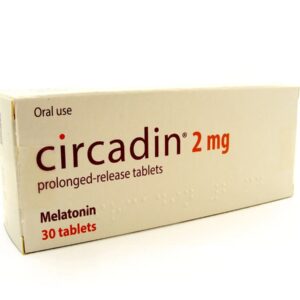


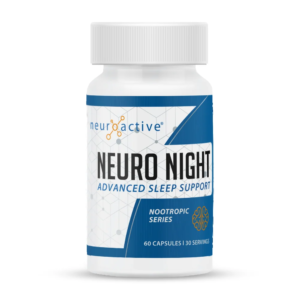

What Are Sleeping Pills?
Sleeping pills are medicines designed to promote or support sleep.
Depending on the medication, they may help someone:
- Fall asleep more quickly.
- Reduce waking during the night.
- Remain asleep for longer.
- Manage severe short-term insomnia.
However, not every person experiencing poor sleep requires medication.
Occasional sleeplessness can result from stress, travel, caffeine, an uncomfortable sleeping environment, or temporary changes in routine. Persistent insomnia may require investigation of its underlying cause.

What Is Insomnia?
Insomnia is a common sleep problem characterised by difficulty falling asleep or staying asleep despite having an adequate opportunity to sleep.
Someone experiencing insomnia might:
- Take a long time to fall asleep.
- Wake repeatedly during the night.
- Wake very early and struggle to fall back asleep.
- Feel tired shortly after waking.
- Experience poor concentration during the day.
- Feel irritable because of insufficient sleep.
Insomnia can be temporary or persistent.
When poor sleep continues for an extended period and significantly affects everyday life, professional assessment is appropriate.
What Causes Sleeping Problems?
Before considering sleep pills, it is useful to determine why you’re having difficulty sleeping.
Common causes include:
- Stress
- Anxiety
- Depression
- Chronic pain
- Shift work
- Jet lag
- Excessive caffeine
- Alcohol
- Nicotine
- Certain medicines
- Menopause
- Restless legs syndrome
- Sleep apnoea
- Poor sleep habits
Treating the underlying cause may provide a more sustainable improvement than simply using medication to induce sleep.
Different Types of Sleep Sleeping Pills
Sleeping medications are not all the same.
They can broadly be divided into non-prescription sleep aids and prescription sleeping medicines.
Non-Prescription Sleep Aids
Some products intended for occasional sleeping difficulties may be available through pharmacies without a prescription.
Certain products contain sedating antihistamines. These medicines were originally developed for allergies, but some older antihistamines cause significant drowsiness.
They may therefore be included in short-term sleep aids.
Possible side effects can include:
- Daytime drowsiness
- Dry mouth
- Dizziness
- Blurred vision
- Reduced concentration
Non-prescription does not mean risk-free. Always follow the product instructions and speak with a pharmacist if you’re taking other medicines.
Prescription Sleeping Pills in the UK
Prescription sleeping medicines may be considered when insomnia is severe and significantly interferes with normal functioning.
These medicines should be used under the supervision of an appropriate healthcare professional.
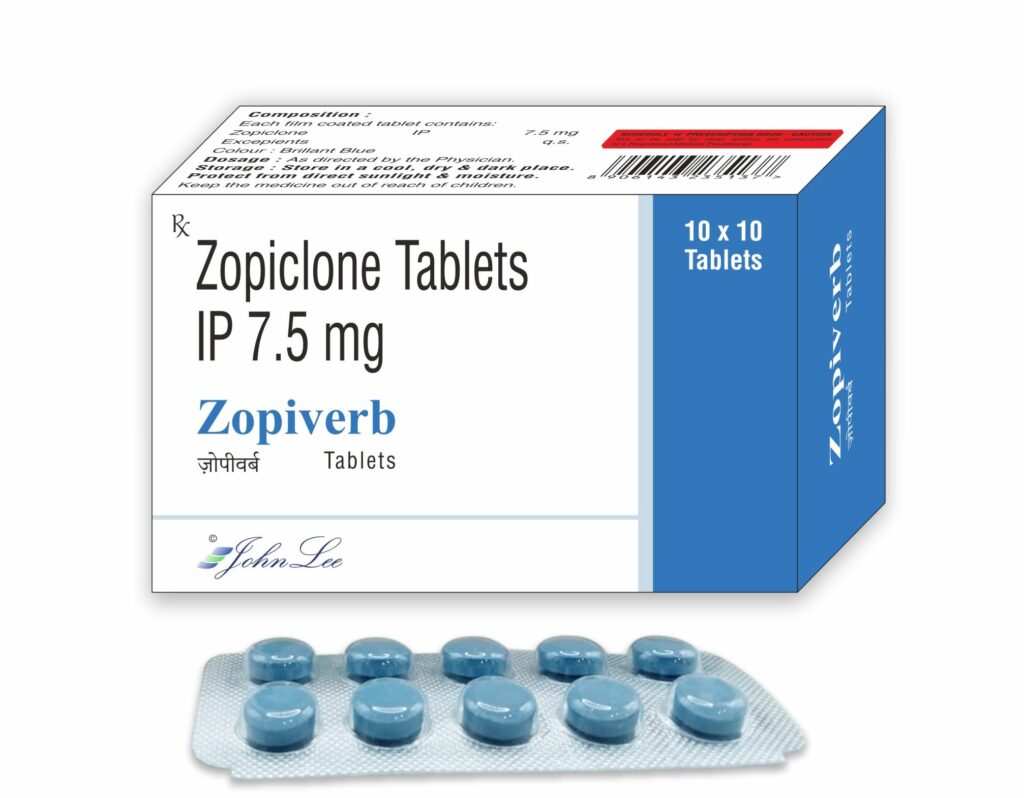
Examples of medicines used for insomnia include zopiclone and zolpidem.
Zopiclone for Sleep
Zopiclone is a prescription hypnotic used for the short-term treatment of severe insomnia.
It belongs to a group of medicines commonly called Z-drugs.
Zopiclone influences GABA activity within the central nervous system, producing a calming effect that can help promote sleep.
Zolpidem for Sleep
Zolpidem is another prescription hypnotic used for short-term treatment of severe insomnia.
Like zopiclone, zolpidem influences GABA signalling within the brain and produces sedative effects.
How Do Sleeping Pills Work?
There isn’t one mechanism shared by every sleeping medicine.
Some prescription hypnotics enhance the effects of gamma-aminobutyric acid (GABA), an inhibitory neurotransmitter within the central nervous system.
Increasing inhibitory signalling reduces neuronal activity, producing effects such as:
- Relaxation
- Reduced alertness
- Drowsiness
- Easier sleep initiation
Sedating antihistamines work differently. They primarily block histamine receptors, including receptors involved in maintaining wakefulness.
The appropriate medication therefore depends on the individual and the nature of the sleep problem.
How Quickly Do Sleeping Pills Work?
This depends entirely on the active ingredient.
Some prescription hypnotics are relatively fast-acting and are therefore generally taken shortly before bedtime when prescribed.
Other products work differently or may be intended for different sleep problems.
Never take an additional dose because a medicine appears not to be working quickly enough. Follow the instructions supplied with the medicine and those given by the prescribing healthcare professional.
Blue Sleeping Pills vs Zolpidem
People searching for blue sleeping tablets may encounter websites or discussions associating particular colours with zopiclone.
That association should be treated cautiously.
Generic medicines can be manufactured by different pharmaceutical companies, and their appearance can vary. A tablet’s colour therefore isn’t sufficient evidence that it contains zopiclone.
If you’re researching zopiclone specifically, identify it by:
Active ingredient: Zopiclone
rather than by tablet colour.
How Long Should Sleeping Pills Be Used?
Many sleeping medicines are intended primarily for short-term treatment.
Long-term or inappropriate use of certain prescription hypnotics can increase the likelihood of:
- Tolerance
- Dependence
- Withdrawal symptoms
- Rebound insomnia
- Daytime impairment
This is why medication should not automatically become the long-term solution to persistent insomnia.
How Quickly Do Sleeping Pills Work?
The onset varies considerably according to the active ingredient, formulation, patient, and other factors.
Some prescription hypnotics are relatively fast-acting, which is why patients may be instructed to take them shortly before going to bed.
Never take an unidentified blue tablet because you believe it is a fast-acting sleeping medicine.
Can Sleeping Pills Become Addictive?
Some sleeping medicines have the potential to cause dependence.
Risk varies according to:
- Medication
- Dose
- Treatment duration
- Individual medical history
- Concurrent substance use
Tolerance can also develop, meaning the same amount of medication may produce a reduced effect after repeated use.
Do not increase the dose yourself if a sleeping medicine appears to have become less effective. Speak with the prescribing healthcare professional.
Side Effects of Sleeping Pills
Side effects vary according to the medication.
Possible effects can include:
- Daytime sleepiness
- Dizziness
- Headache
- Poor coordination
- Memory difficulties
- Reduced concentration
- Unusual dreams
- Gastrointestinal symptoms
Certain medicines can cause more serious adverse reactions.
Always read the patient information leaflet supplied with the particular medicine rather than assuming all sleeping tablets have the same risk profile.
Sleeping Pills and Alcohol
Combining alcohol with sedating medicines can be dangerous.
Alcohol itself depresses the central nervous system. When combined with certain sleeping pills, sedative effects can become considerably stronger.
Potential consequences include:
- Excessive sedation
- Poor coordination
- Impaired judgement
- Difficulty waking
- Breathing problems
Follow the medicine’s instructions regarding alcohol and ask a pharmacist or prescriber if you’re uncertain about an interaction.
Can Sleeping Pills Cause Dependence?
Some prescription hypnotics can cause tolerance and dependence.
Tolerance means that the effect of a medicine may become reduced after repeated use.
Dependence means the body adapts to the presence of the medicine, potentially resulting in withdrawal symptoms when it is discontinued.
This is one reason certain prescription sleeping medicines are generally intended for short-term treatment.
Who Should Be Particularly Careful With Sleeping Pills?
Additional medical assessment may be necessary for people with conditions such as:
- Sleep apnoea
- Respiratory disorders
- Liver disease
- Kidney disease
- Myasthenia gravis
- Certain mental health conditions
- Previous medication or substance dependence
Pregnancy, breastfeeding, age, and other medications can also affect which treatments are appropriate.
Sleeping Pills vs Better Sleep Habits
Speak with a healthcare professional if:
- Insomnia persists for several weeks.
- You regularly depend on medication to sleep.
- Sleep problems interfere with daytime activities.
- You experience significant daytime sleepiness.
- Your current sleep treatment is no longer effective.
- You experience troublesome medication side effects.
- You experience breathing difficulties during sleep.
Persistent insomnia can sometimes indicate an underlying physical or psychological condition that requires treatment.
What About Long-Term Insomnia?
If insomnia persists, repeatedly changing sleeping tablets may not solve the underlying problem.
Long-term insomnia may require professional assessment.
One important non-drug treatment is Cognitive Behavioural Therapy for Insomnia (CBT-I).
CBT-I addresses thoughts and behaviours that contribute to persistent sleep problems and can form part of a longer-term insomnia treatment strategy.
When Should You Speak With a Healthcare Professional?
Consider seeking medical advice when:
- Insomnia persists for several weeks.
- Sleep problems significantly interfere with work or daily activities.
- You’re regularly relying on medication to sleep.
- You experience severe daytime sleepiness.
- Your existing treatment has stopped working.
- You experience significant medication side effects.
- Anxiety or low mood accompanies your sleep problems.
- You experience snoring, choking, or interrupted breathing while sleeping.
These symptoms may require assessment beyond simply choosing another sleep aid.
Frequently Asked Questions About Sleep Sleeping Pills
What are the best sleeping pills for sleep?
There isn’t one sleeping medicine that is best for everyone. The appropriate treatment depends on the cause and severity of insomnia, medical history, other medications, and whether prescription treatment is clinically appropriate.
Can I take sleeping pills every night?
That depends on the medicine. Many sleeping medicines are intended for short-term use, and certain prescription hypnotics can cause tolerance and dependence with prolonged use.
Are sleeping pills available without a prescription in the UK?
Some pharmacy sleep aids may be available without a prescription. However, prescription hypnotics such as zopiclone and zolpidem require an appropriate prescription.
Are Zopiclone and Zolpidem the same?
No. They are different active ingredients, although both belong to the group commonly called Z-drugs and may be prescribed for severe short-term insomnia.
Can sleeping pills help anxiety?
A sleeping medicine should not automatically be used as an anxiety treatment. If anxiety is causing persistent insomnia, treating the underlying anxiety may be more appropriate.
Can I drink alcohol after taking sleeping pills?
Alcohol can dangerously increase the effects of many sedating medicines. Follow the specific medicine’s instructions and professional medical advice.
What if sleeping pills stop working?
Do not increase the dose yourself. Reduced effectiveness can indicate tolerance or another problem requiring review by a healthcare professional.
Sleep Sleeping Pills: Final Thoughts
People searching for sleep sleeping pills are usually looking for one thing: a reliable way to get a better night’s sleep.
However, sleeping tablets are only one part of insomnia management.
Non-prescription sleep aids may be suitable for certain temporary sleep difficulties, while prescription medicines such as zopiclone and zolpidem may be considered for severe short-term insomnia following appropriate clinical assessment.
If sleep problems become persistent, identifying and treating the underlying cause is more important than continually relying on medication.