
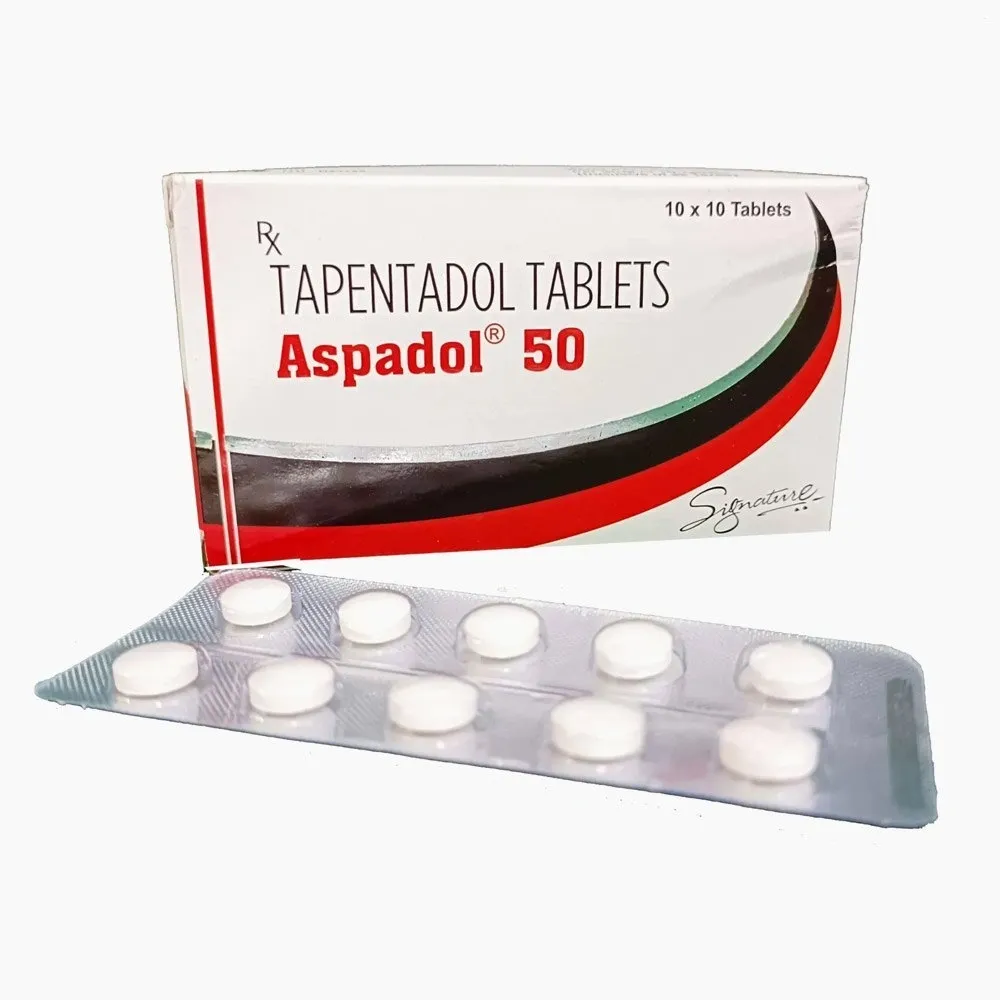
Tapentadol Tablets: Uses, Risks & Safety
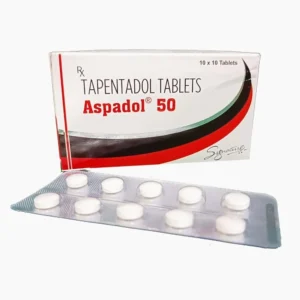
Tapentadol tablets contain a strong opioid pain medicine prescribed for certain types of moderate to severe or severe pain.
Tapentadol works through two mechanisms. It activates opioid receptors and affects noradrenaline signalling in the nervous system. Together, these actions can reduce the perception of pain.
However, tapentadol carries serious risks. These include drowsiness, breathing difficulties, dependence, addiction, and overdose.
In the UK, tapentadol is a prescription-only controlled medicine. Treatment requires individual medical assessment and ongoing review.
This guide explains the different formulations, recognised uses, side effects, and essential safety precautions.
What Is Tapentadol?
Tapentadol is an opioid analgesic used when a healthcare professional determines that opioid treatment is necessary.
It is available in immediate-release and prolonged-release formulations.
Although both contain tapentadol, they have different release characteristics and clinical indications.
Therefore, patients must use the exact formulation prescribed for them.
Explore our Painkillers category for information about other pain medicines.
Tapentadol Product Specifications
| Feature | Information |
|---|---|
| Active ingredient | Tapentadol |
| Medicine class | Strong opioid analgesic |
| Immediate-release tablets | 50mg and 75mg Palexia tablets |
| Prolonged-release tablets | 50mg, 100mg, 150mg, 200mg, and 250mg Palexia SR tablets |
| Other authorised products | Additional strengths and formulations may be available |
| Main indications | Depends on release formulation |
| UK supply status | Prescription-only |
| Dependence potential | Yes |
| Major risks | Respiratory depression, sedation, addiction, and overdose |
The listed strengths describe examples of UK-authorised products, not necessarily the stock available on this website.
What Are Tapentadol Tablets Used For?
The clinical use of tapentadol depends on its formulation.
Tapentadol for Acute Pain
Immediate-release tapentadol tablets are authorised for moderate to severe acute pain in adults when opioid treatment is necessary.
Acute pain develops over a relatively short period and may follow an injury, operation, or other medical condition.
However, not every episode of acute pain requires an opioid.
A clinician should first assess the cause of pain, alternative treatments, and the patient’s individual risks.
Tapentadol for Severe Chronic Pain
Prolonged-release tapentadol products are used for severe chronic pain that requires opioid treatment.
Chronic pain persists over an extended period.
However, opioid medicines do not benefit everyone with persistent pain. They may also become less effective over time because of tolerance.
Consequently, treatment requires clear goals, regular review, and a plan for eventual discontinuation.
Is Tapentadol Suitable for Nerve Pain?
Some chronic pain conditions have a neuropathic component.
However, tapentadol is not a routine first-line treatment for neuropathic pain.
Other medicines, such as amitriptyline, pregabalin, and gabapentin, are commonly considered for certain nerve pain conditions.
The most appropriate treatment depends on the diagnosis and clinical circumstances.
How Does Tapentadol Work?
Tapentadol has two principal mechanisms of action.
Opioid Receptor Activity
Tapentadol activates mu-opioid receptors in the nervous system.
This contributes to its pain-relieving effects.
However, opioid receptor activity also creates risks such as sedation, dependence, and respiratory depression.
Noradrenaline Reuptake Inhibition
Tapentadol also inhibits the reuptake of noradrenaline.
Noradrenaline plays a role in the nervous system’s pain-control pathways.
This second mechanism contributes to the medicine’s overall analgesic activity.
Despite these two actions, tapentadol remains a strong opioid and requires the same careful approach to prescribing and monitoring as other opioid analgesics.
Immediate-Release vs Prolonged-Release Tapentadol
Understanding the formulation is essential.
| Feature | Immediate-release | Prolonged-release |
|---|---|---|
| Release pattern | Releases medicine relatively quickly | Releases medicine over an extended period |
| Principal indication | Moderate to severe acute pain | Severe chronic pain |
| Example UK brand | Palexia | Palexia SR |
| Intended treatment | Acute pain management | Ongoing pain management under review |
| Interchangeable | No | No |
Prolonged-release tablets must be swallowed whole.
Do not crush, chew, or split prolonged-release tapentadol tablets. Altering their release mechanism may cause dangerous exposure to the medicine.
Tapentadol Tablet Strengths
Different tapentadol formulations are available in different strengths.
Tapentadol 50mg
Tapentadol 50mg is available in immediate-release and prolonged-release products.
However, these formulations are different and must not be substituted for one another.
Tapentadol 75mg
Palexia 75mg is an immediate-release tablet formulation.
Its suitability depends on the prescribed treatment plan.
Tapentadol 100mg
Tapentadol 100mg is available in prolonged-release formulations.
Patients must follow the instructions for the exact authorised product.
Tapentadol 150mg
Tapentadol 150mg prolonged-release tablets are used in selected circumstances requiring opioid pain management.
Tapentadol 200mg
Tapentadol 200mg prolonged-release tablets contain a higher amount of the active ingredient.
They carry substantial opioid-related risks.
Tapentadol 250mg
Tapentadol 250mg is an authorised prolonged-release strength.
A higher strength does not automatically mean better or safer treatment.
Only a qualified prescriber should determine the appropriate formulation and strength.
How Should Tapentadol Be Taken?
Patients must follow their individual prescription and the manufacturer’s patient information leaflet.
Important precautions include:
- Take only the prescribed formulation.
- Do not increase the dose independently.
- Do not combine tapentadol with alcohol.
- Tell your prescriber about other medicines.
- Do not share prescription tablets.
- Store the medicine securely.
- Seek medical advice before stopping regular treatment.
Patients taking prolonged-release tablets must not crush or chew them.
Possible Side Effects of Tapentadol
Like other opioid medicines, tapentadol can cause adverse effects.
Common Side Effects
These may include:
- Nausea
- Vomiting
- Constipation
- Dizziness
- Drowsiness
- Headache
- Fatigue
Some effects may become less troublesome during treatment.
However, persistent or worsening symptoms require medical advice.
Serious Side Effects
More serious problems include:
- Slow or shallow breathing
- Severe sedation
- Loss of consciousness
- Serious allergic reactions
- Seizures
- Dependence and addiction
- Opioid overdose
Call emergency services immediately if someone taking tapentadol has dangerously slow breathing, collapses, or cannot be awakened.
Tapentadol Warnings and Precautions
Tapentadol is not suitable for everyone.
Patients should tell their healthcare professional about:
- Breathing disorders
- Sleep apnoea
- Liver or kidney disease
- A history of substance misuse
- Seizure disorders
- Head injuries
- Pregnancy or breastfeeding
- Other medicines that cause sedation
Tapentadol and Alcohol
Alcohol can increase opioid-related sedation.
Combining alcohol with tapentadol may cause dangerous breathing problems, loss of consciousness, or overdose.
Therefore, alcohol should be avoided during treatment.
Tapentadol and Benzodiazepines
Benzodiazepines include medicines such as diazepam and lorazepam.
Combining them with tapentadol can increase the risk of severe sedation, respiratory depression, coma, and death.
Such combinations require careful specialist assessment and monitoring.
Tapentadol and Antidepressants
Tapentadol may interact with medicines that affect serotonin or noradrenaline.
Certain combinations can increase the risk of serotonin syndrome or seizures.
Patients must tell their prescriber about all antidepressants and other medicines they take.
Tapentadol and Driving
Tapentadol may impair alertness, concentration, and coordination.
Patients must not drive or operate machinery if affected.
Can Tapentadol Cause Dependence?
Yes. Tapentadol can cause tolerance, physical dependence, and addiction.
These risks may develop during prescribed treatment.
Tolerance means that the body becomes less responsive to the medicine over time.
Physical dependence means that withdrawal symptoms may occur when treatment stops or the dose is reduced.
Addiction involves compulsive use despite harmful consequences.
These conditions are related but not identical.
Tapentadol Withdrawal Symptoms
Possible withdrawal symptoms include:
- Anxiety
- Restlessness
- Sweating
- Sleep disturbances
- Nausea
- Diarrhoea
- Muscle discomfort
Patients who have taken tapentadol regularly should discuss a gradual reduction plan with their prescriber.
Tapentadol vs Codeine
Tapentadol and codeine are both opioid medicines, but they differ in their pharmacology and clinical uses.
| Feature | Tapentadol | Codeine |
|---|---|---|
| Medicine class | Strong opioid analgesic | Opioid analgesic |
| Mechanism | Mu-opioid activity and noradrenaline reuptake inhibition | Partly converted to morphine |
| Formulations | Immediate-release and prolonged-release | Various formulations |
| Dependence risk | Yes | Yes |
| Respiratory depression risk | Yes | Yes |
| Prescription required for single-ingredient UK tablets | Yes | Yes |
These medicines are not interchangeable.
Read our Codeine Phosphate Tablets Guide for more information.
Frequently Asked Questions About Tapentadol
What is tapentadol used for?
Tapentadol is prescribed for certain types of moderate to severe acute pain or severe chronic pain, depending on the formulation.
Is tapentadol an opioid?
Yes. Tapentadol is a strong opioid analgesic.
Is tapentadol available without a prescription in the UK?
No. Tapentadol requires a valid prescription.
What is the difference between tapentadol and Palexia?
Palexia is a brand name for a tapentadol medicine. Palexia and Palexia SR have different release characteristics.
What is tapentadol prolonged-release?
It is a formulation designed to release tapentadol over an extended period.
Can prolonged-release tapentadol tablets be crushed?
No. Crushing or chewing prolonged-release tablets may cause dangerous release of the active ingredient.
Does tapentadol cause constipation?
Yes. Constipation is a recognised opioid-related side effect.
Can tapentadol cause drowsiness?
Yes. Drowsiness and dizziness are common adverse effects.
Can tapentadol cause addiction?
Yes. Tapentadol can cause dependence and addiction, even during prescribed treatment.
Can tapentadol be taken with alcohol?
No. Alcohol increases the risk of dangerous opioid-related effects.
Can tapentadol be stopped suddenly?
Sudden discontinuation after regular use may cause withdrawal symptoms. Patients should consult their prescriber.
Is tapentadol suitable for long-term treatment?
Prolonged-release formulations may be prescribed for severe chronic pain when opioid treatment is necessary. However, ongoing use requires regular assessment of benefits and risks.
Related Medicines and Categories
Explore additional educational resources from Affordable Tablets UK:
- Codeine Phosphate Tablets — Opioid medicine information.
- Co-Codamol Tablets — Codeine and paracetamol combination.
- Pregabalin for Nerve Pain — Information about a gabapentinoid.
- Gabapentin for Nerve Pain — Another medicine used for neuropathic pain.
- Amitriptyline Tablets — Information about a medicine used for certain nerve pain conditions.
- Painkillers Category — Browse pain medicine information.
- Affordable Tablets UK Homepage — Explore our medicine information resources.
Official Medical References
- Palexia 50mg Immediate-Release Tablets — UK Product Information
- Palexia 75mg Immediate-Release Tablets — UK Product Information
- Palexia SR 200mg — UK Product Information
- Palexia SR Patient Information Leaflet
Conclusion
Tapentadol is a strong prescription opioid used for specific types of pain when opioid treatment is clinically necessary.
Immediate-release and prolonged-release products have different indications and must not be treated as interchangeable.
Although tapentadol can relieve pain, it carries serious risks, including respiratory depression, dependence, addiction, and overdose.
Therefore, treatment requires professional prescribing, regular review, and appropriate dispensing safeguards.
Medical disclaimer: This article provides educational information and does not replace advice from a qualified healthcare professional.
Reviews
There are no reviews yet.