
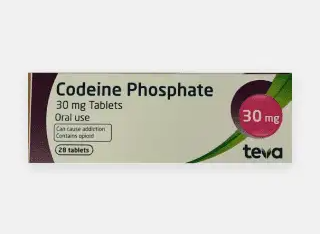
Codeine Phosphate Tablets: Uses & Safety
Codeine phosphate tablets contain an opioid medicine used for the short-term treatment of certain types of moderate pain when other painkillers, such as paracetamol or ibuprofen, have not provided adequate relief.
Codeine acts on the central nervous system and changes how the body responds to pain. However, it also carries important risks, including drowsiness, constipation, dependence, and breathing difficulties.
In the UK, codeine phosphate pain-relief tablets require a prescription.
This guide explains their uses, strengths, side effects, and important safety precautions.
What Are Codeine Phosphate Tablets?
Codeine phosphate is an opioid medicine.
Healthcare professionals may prescribe it to relieve acute moderate pain when simpler analgesics are insufficient.
However, codeine is not appropriate for every painful condition. In addition, prolonged use can increase the risk of dependence and addiction.
Therefore, treatment should follow an individual medical assessment.
Explore our Painkillers category for information about other pain medicines.
Codeine Phosphate Product Specifications
| Feature | Information |
|---|---|
| Active ingredient | Codeine phosphate |
| Medicine class | Opioid analgesic |
| UK tablet strengths | 15mg, 30mg, and 60mg, depending on the authorised product |
| Form | Oral tablets |
| Pain-relief indication | Short-term treatment of acute moderate pain when other analgesics are insufficient |
| Prescription status | Prescription-only for codeine phosphate tablets |
| Controlled drug classification | Class B; Schedule 5 applies to qualifying low-strength preparations, while other preparations are subject to stricter scheduling |
| Dependence potential | Yes |
| Important risks | Respiratory depression, sedation, constipation, dependence, and overdose |
The actual tablet strengths, ingredients, and packaging depend on the manufacturer.
What Are Codeine Tablets Used For?
Codeine phosphate tablets may be prescribed for acute moderate pain when other painkillers do not provide adequate relief.
Codeine for Acute Pain
Acute pain develops suddenly and often follows an injury, procedure, or illness.
In selected circumstances, a clinician may consider codeine when simpler treatments have not worked.
However, the underlying cause of pain still requires appropriate assessment.
Codeine for Dental Pain
Dental pain may result from infection, inflammation, or injury.
A healthcare professional may consider short-term analgesia while the underlying dental problem is treated.
Nevertheless, codeine does not treat tooth infections or replace dental care.
Codeine for Pain After a Procedure
Some patients require additional pain management after medical or dental procedures.
A clinician may prescribe codeine in selected cases.
However, the decision depends on the type of procedure, the patient’s medical history, and the expected benefits and risks.
How Does Codeine Work?
Codeine belongs to the opioid family.
After a person takes codeine, the liver converts some of it into morphine through an enzyme called CYP2D6.
Morphine acts on opioid receptors in the nervous system and contributes to pain relief.
However, CYP2D6 activity differs between individuals.
Some people convert very little codeine into morphine and may experience limited pain relief.
Others convert codeine more rapidly, increasing the risk of opioid toxicity.
Consequently, codeine can affect people differently, even when they receive the same prescribed amount.
Codeine Phosphate 15mg, 30mg, and 60mg
Different manufacturers supply codeine phosphate tablets in different strengths.
Codeine Phosphate 15mg
Codeine phosphate 15mg is an authorised UK tablet strength.
Its suitability depends on the patient’s medical circumstances and prescription.
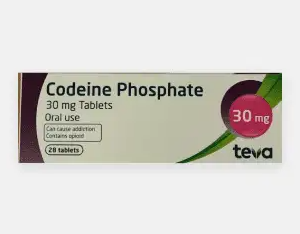
Codeine Phosphate 30mg
Codeine phosphate 30mg tablets contain a larger amount of the active ingredient.
However, patients should never change strengths without their prescriber’s approval.
Codeine Phosphate 60mg
Certain UK-authorised products are available in a 60mg strength.
A higher-strength tablet carries significant opioid-related risks and is not appropriate for everyone.
Patients must use only the strength and schedule prescribed for them.
How Should Codeine Phosphate Be Taken?
Patients should follow their prescriber’s instructions and the manufacturer’s patient information leaflet.
Important precautions include:
- Do not exceed the prescribed amount.
- Do not increase the dose independently.
- Avoid alcohol during treatment.
- Tell your prescriber about other medicines.
- Do not share prescribed tablets.
- Seek medical advice before stopping regular treatment.
- Store codeine securely and away from children.
For acute pain, UK product information emphasises using codeine for the shortest appropriate period. Some product information specifies a three-day treatment limit for this indication, followed by medical reassessment if pain persists.
Possible Side Effects of Codeine
Like other opioid medicines, codeine can cause adverse effects.
Common Side Effects
These may include:
- Constipation
- Nausea
- Vomiting
- Drowsiness
- Dizziness
- Reduced concentration
Some patients experience stronger effects than others.
Serious Side Effects
More serious reactions may include:
- Slow or difficult breathing
- Severe sedation
- Loss of consciousness
- Severe allergic reactions
- Dependence and addiction
- Opioid overdose
Seek emergency medical assistance immediately if someone has dangerously slow breathing, becomes unconscious, or cannot be awakened.
Codeine Warnings and Precautions
Codeine is not suitable for everyone.
Patients should tell their healthcare professional about:
- Breathing disorders
- Sleep apnoea
- Liver or kidney disease
- A history of substance misuse
- Significant bowel problems
- Other sedating medicines
- Pregnancy or breastfeeding
Codeine must not be used for pain relief in children younger than 12 years.
Additional restrictions apply to adolescents with compromised respiratory function and to patients younger than 18 years following tonsil or adenoid surgery for obstructive sleep apnoea.
Codeine must not be used during breastfeeding.
Codeine and Alcohol
Alcohol can increase the sedative effects of codeine.
Consequently, combining them may increase the risk of serious breathing difficulties.
Avoid alcohol during treatment.
Codeine and Benzodiazepines
Combining codeine with benzodiazepines or other sedating medicines can be dangerous.
Potential consequences include severe sedation, respiratory depression, coma, and death.
Therefore, patients must tell their prescriber about all medicines they take.
Codeine and Driving
Codeine can impair alertness, concentration, and coordination.
Patients must not drive or operate machinery when their ability is affected.
Can Codeine Cause Dependence?
Yes. Codeine can cause physical dependence, tolerance, and addiction.
These risks can develop even when a patient follows a prescription.
Repeated use may also lead to withdrawal symptoms when treatment stops.
Possible symptoms include:
- Restlessness
- Anxiety
- Sweating
- Sleep disturbances
- Nausea
- Diarrhoea
- Muscle discomfort
Patients who have taken codeine regularly should discuss safe discontinuation with their prescriber.
Codeine Phosphate vs Co-Codamol
Codeine phosphate and co-codamol are related medicines, but their ingredients differ.
| Feature | Codeine Phosphate Tablets | Co-Codamol |
|---|---|---|
| Active ingredients | Codeine phosphate | Codeine and paracetamol |
| Medicine class | Opioid analgesic | Combination opioid analgesic |
| Contains paracetamol | No | Yes |
| Dependence risk | Yes | Yes |
| UK supply | Prescription-only tablets | Depends on strength and product |
| Main safety concerns | Opioid toxicity and dependence | Opioid toxicity, dependence, and paracetamol overdose |
Neither medicine should replace the other without professional advice.
Read our Co-Codamol Tablets Guide for more information.
Frequently Asked Questions About Codeine
What are codeine phosphate tablets used for?
Codeine phosphate tablets are used for short-term treatment of certain types of acute moderate pain when other analgesics are insufficient.
Is codeine an opioid?
Yes. Codeine belongs to the opioid family of medicines.
Is codeine phosphate available without a prescription?
Codeine phosphate tablets used for pain relief require a prescription in the UK. Some low-dose combination products have different pharmacy supply rules.
What strengths are available?
UK-authorised codeine phosphate tablet products include 15mg, 30mg, and 60mg strengths, depending on the manufacturer.
Can codeine cause constipation?
Yes. Constipation is a common opioid-related side effect.
Can codeine cause drowsiness?
Yes. Codeine may cause sedation, dizziness, and impaired concentration.
Can codeine cause addiction?
Yes. Repeated use can lead to dependence and addiction.
Is codeine the same as co-codamol?
No. Co-codamol contains both codeine and paracetamol, whereas codeine phosphate tablets contain codeine as the active ingredient.
Can codeine be taken with alcohol?
Alcohol can increase sedation and respiratory risks. It should be avoided.
Is codeine suitable for long-term pain?
Codeine is generally not a preferred long-term treatment for persistent non-cancer pain. Ongoing treatment requires medical review.
Can codeine be stopped suddenly?
Sudden discontinuation after regular use may cause withdrawal symptoms. Patients should seek medical advice before stopping.
Can codeine be used during breastfeeding?
No. Codeine is contraindicated during breastfeeding because of the risk of opioid toxicity in the infant.
Related Medicines and Categories
Explore additional educational information from Affordable Tablets UK:
- Co-Codamol Painkiller — Codeine and paracetamol combination medicine.
- Amitriptyline Tablets — Information about a medicine used for certain nerve pain conditions.
- Pregabalin for Nerve Pain — Neuropathic pain treatment information.
- Gabapentin Tablets — Another medicine used for certain types of nerve pain.
- Painkillers Category — Explore pain medicine information.
- Affordable Tablets UK Homepage — Visit our homepage.
Official Medical References
- NHS — Codeine
- Codeine Phosphate 15mg — UK Product Information
- Codeine Phosphate Patient Information Leaflet
- MHRA — Opioid Dependence and Addiction
Conclusion
Codeine phosphate tablets are prescription opioid medicines used for short-term treatment of selected types of moderate pain.
Although codeine can provide pain relief, it also carries serious risks.
These include constipation, sedation, dependence, respiratory depression, and overdose.
Therefore, patients should use codeine only under appropriate medical supervision and follow their prescribed treatment plan.
Medical disclaimer: This information is educational and does not replace professional medical advice.


Reviews
There are no reviews yet.