
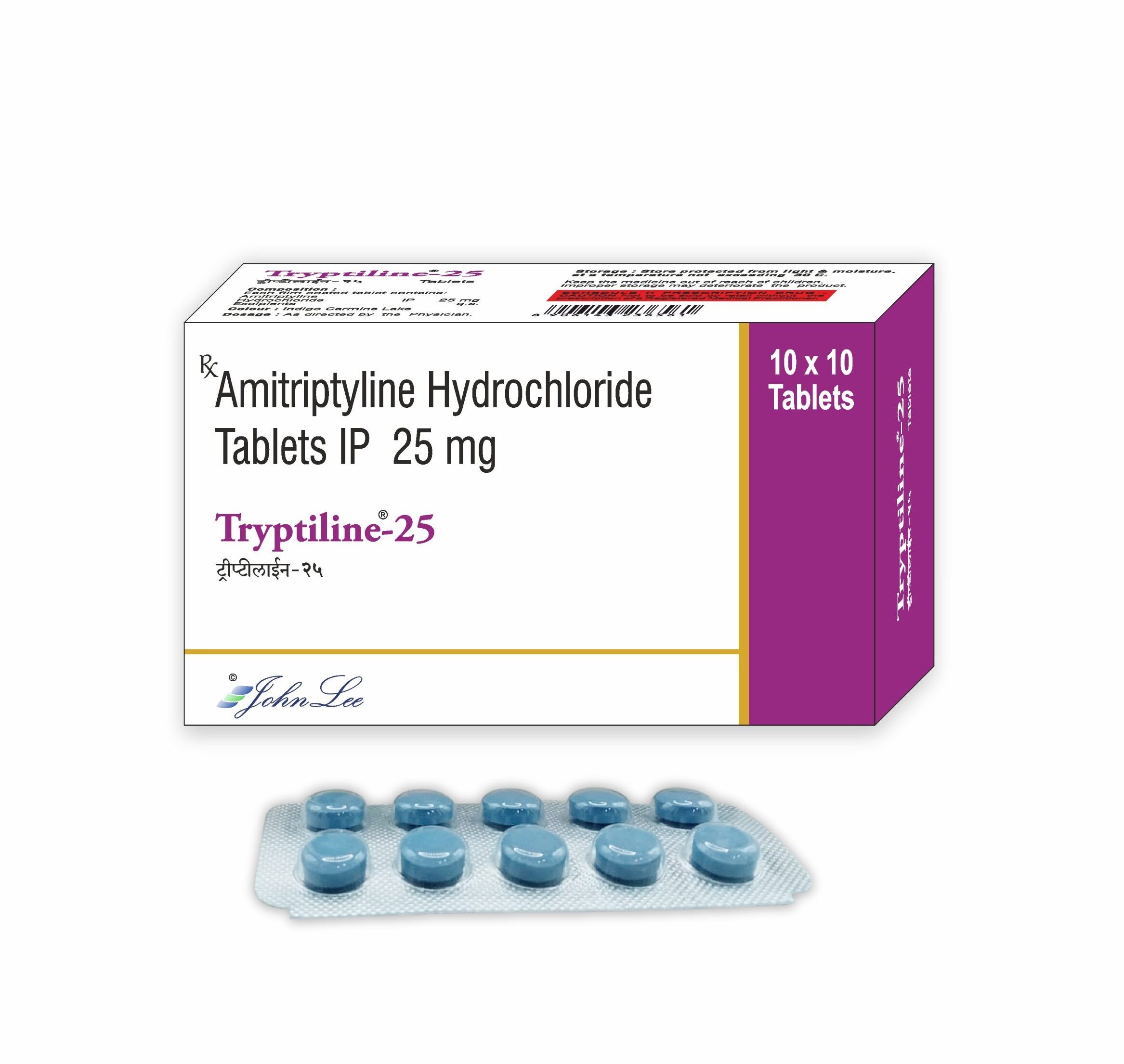
Amitriptyline Tablets: Uses & Safety
Amitriptyline tablets are prescription-only medicines used to treat depression, neuropathic pain, and certain recurring headaches.
Amitriptyline belongs to a group of medicines called tricyclic antidepressants. Although doctors originally developed it to treat depression, they also prescribe it at lower doses for certain types of persistent pain.
However, amitriptyline is not suitable for everyone. It may cause drowsiness, dry mouth, dizziness, and other side effects.
This guide explains the uses, tablet strengths, precautions, and potential benefits of amitriptyline in the UK.
What Are Amitriptyline Tablets?
Amitriptyline is a tricyclic antidepressant that affects chemical signalling in the nervous system.
Healthcare professionals prescribe it for several conditions, including nerve pain and depression.
In addition, certain authorised products are used to prevent migraines and chronic tension-type headaches.
Amitriptyline is not a conventional painkiller like paracetamol or ibuprofen. Instead, it changes how the nervous system processes certain pain signals.
Explore our Painkillers category for related medicine information.
Amitriptyline Product Specifications
| Feature | Information |
|---|---|
| Active ingredient | Amitriptyline hydrochloride |
| Medicine class | Tricyclic antidepressant |
| Common UK tablet strengths | 10mg, 25mg, and 50mg |
| Form | Oral tablets |
| Main uses | Depression, neuropathic pain, and headache prevention |
| Prescription status | Prescription-only medicine |
| Controlled drug status | Not scheduled as a controlled drug under the UK Misuse of Drugs Regulations |
| Important precautions | Heart conditions, interactions, sedation, and withdrawal effects |
The exact tablet appearance, ingredients, and packaging depend on the manufacturer.
What Are Amitriptyline Tablets Used For?
Amitriptyline has several recognised medical uses.
Amitriptyline for Nerve Pain
Doctors prescribe amitriptyline for certain types of neuropathic pain.
Neuropathic pain develops when nerves become damaged or function abnormally.
Symptoms may include:
- Burning pain
- Tingling sensations
- Shooting or stabbing pain
- Electric-shock-like sensations
- Persistent sensitivity to touch
Amitriptyline may help reduce these symptoms in some patients.
However, treatment results vary. Doctors should regularly review whether the medicine is improving pain and daily functioning.
Amitriptyline for Diabetic Nerve Pain
Diabetes can damage nerves, particularly in the legs and feet.
This condition is known as diabetic neuropathy.
Amitriptyline is one medicine that healthcare professionals may consider for associated nerve pain.
However, it does not repair damaged nerves or replace diabetes management.
Amitriptyline for Migraine Prevention
Certain UK-authorised amitriptyline products are used to prevent migraines.
The medicine may reduce migraine frequency in some patients.
However, it is not intended to provide immediate relief during an acute migraine attack.
Amitriptyline for Chronic Tension Headaches
Amitriptyline can also help prevent chronic tension-type headaches.
These headaches may cause recurring pressure or tightness around the head.
The treatment aims to reduce headache frequency rather than provide immediate relief.
Amitriptyline for Depression
Amitriptyline is also licensed to treat major depressive disorder in adults.
However, the prescribing approach for depression differs from treatment for nerve pain.
Patients should follow the treatment plan recommended by their healthcare professional.
How Does Amitriptyline Work?
Amitriptyline affects the activity of neurotransmitters, including serotonin and noradrenaline.
These chemical messengers help regulate mood and influence pain signalling.
By changing how the nervous system processes signals, amitriptyline may reduce certain types of persistent pain.
Importantly, its pain-relieving effects are separate from its antidepressant effects.
Therefore, being prescribed amitriptyline for nerve pain does not necessarily mean a patient has depression.
Amitriptyline 10mg, 25mg, and 50mg Tablets
Amitriptyline is available in different strengths.
Amitriptyline 10mg
Amitriptyline 10mg is a lower-strength tablet.
Healthcare professionals may prescribe lower strengths when initiating treatment for certain pain conditions.
However, the appropriate dose depends on the individual.
Amitriptyline 25mg
Amitriptyline 25mg is another common UK tablet strength.
It may be prescribed for different indications depending on the patient’s circumstances.
Amitriptyline 50mg
Amitriptyline 50mg contains a higher amount of the active ingredient.
However, higher strengths are not automatically more effective or appropriate.
Patients must follow their prescription and should never adjust their dose independently.
How Should Amitriptyline Be Taken?
Patients should take amitriptyline exactly as prescribed.
Important precautions include:
- Follow the prescribed treatment schedule.
- Do not increase the dose independently.
- Tell your prescriber about other medicines.
- Avoid driving if the medicine causes drowsiness.
- Do not share prescribed tablets.
- Do not stop treatment suddenly without medical advice.
For pain management, clinicians often recommend taking amitriptyline in the evening because it can cause sleepiness.
However, patients should follow their individual prescription instructions.
How Long Does Amitriptyline Take to Work?
Amitriptyline does not always provide immediate pain relief.
Some patients notice improvement after one or two weeks.
However, the NHS explains that it can take up to six weeks to experience its full pain-relieving effect.
Therefore, patients should attend their scheduled treatment reviews.
If symptoms persist or side effects become troublesome, they should discuss the treatment with their prescriber.
Possible Side Effects of Amitriptyline
Like other medicines, amitriptyline can cause adverse effects.
Common Side Effects
These may include:
- Dry mouth
- Constipation
- Drowsiness
- Dizziness
- Headache
- Difficulty passing urine
- Blurred vision
Some side effects may improve as the body adjusts to treatment.
However, persistent or worsening symptoms require medical advice.
Serious Side Effects
More serious problems may include:
- Abnormal heart rhythm
- Seizures
- Severe allergic reactions
- Serious confusion
- Suicidal thoughts or significant mood changes
- Severe difficulty passing urine
Seek urgent medical assistance for seizures, collapse, severe allergic reactions, or other potentially life-threatening symptoms.
Amitriptyline Warnings and Precautions
Amitriptyline is not suitable for everyone.
Patients should tell their healthcare professional about existing medical conditions.
Particular concerns include:
- Heart rhythm disorders
- Recent heart attack
- Severe liver disease
- Glaucoma
- Urinary retention
- Epilepsy
- Bipolar disorder
- Pregnancy or breastfeeding
In addition, older adults may be more sensitive to dizziness, confusion, and falls.
Amitriptyline and Alcohol
Alcohol may increase drowsiness and impair coordination.
Therefore, patients should discuss alcohol consumption with their healthcare professional and avoid drinking if they experience sedation.
Amitriptyline and Other Medicines
Amitriptyline can interact with several medicines.
These include certain antidepressants, opioid pain medicines, sedatives, and medicines that affect heart rhythm.
Some combinations may cause serious adverse effects.
Therefore, patients should tell their prescriber about all medicines and supplements they use.
Amitriptyline and Driving
Amitriptyline may cause drowsiness or dizziness.
Patients should not drive, cycle, or operate machinery when their alertness or coordination is impaired.
Can Amitriptyline Cause Withdrawal Symptoms?
Yes. Stopping amitriptyline suddenly can cause discontinuation symptoms.
These may include:
- Headaches
- Nausea
- Sleep disturbances
- Irritability
- Anxiety
- General discomfort
Amitriptyline is not generally associated with addiction in the same way as opioids or benzodiazepines.
However, withdrawal effects can still occur.
Therefore, patients should consult their prescriber before reducing or stopping treatment.
Amitriptyline vs Pregabalin for Nerve Pain
Amitriptyline and pregabalin are different medicines used to treat neuropathic pain.
| Feature | Amitriptyline | Pregabalin |
|---|---|---|
| Medicine class | Tricyclic antidepressant | Gabapentinoid |
| Used for nerve pain | Yes | Yes |
| Also used for depression | Yes | No |
| Also used for epilepsy | Not a standard epilepsy treatment | Yes |
| Common side effects | Dry mouth, constipation, drowsiness | Dizziness, drowsiness, weight gain |
| Prescription required | Yes | Yes |
Neither medicine is suitable for every patient.
The choice depends on the medical condition, other medicines, potential side effects, and clinical assessment.
Read our Pregabalin for Nerve Pain Guide for more information.
Frequently Asked Questions About Amitriptyline
What are amitriptyline tablets used for?
Amitriptyline is used for depression, neuropathic pain, and prevention of certain recurring headaches.
Is amitriptyline a painkiller?
Amitriptyline can relieve certain types of nerve pain. However, it works differently from conventional painkillers.
Can amitriptyline help with nerve pain?
Yes. Doctors may prescribe it for neuropathic pain, including some forms of diabetic nerve pain.
Does amitriptyline help prevent migraines?
Yes. Certain authorised UK products are indicated for migraine prevention.
Is amitriptyline a sleeping tablet?
No. Amitriptyline is not primarily a sleeping medicine, although drowsiness is a common effect.
What strengths are available?
Common UK tablet strengths include 10mg, 25mg, and 50mg.
How long does amitriptyline take to work for pain?
Some patients notice improvement within one or two weeks. However, full benefit may take up to six weeks.
Does amitriptyline cause weight gain?
Weight changes can occur during treatment. Patients should discuss significant changes with their healthcare professional.
Can amitriptyline cause drowsiness?
Yes. Drowsiness is a recognised side effect.
Can amitriptyline be taken with pregabalin?
A clinician may prescribe both medicines in selected circumstances. However, combining them can increase certain side effects, including sedation. Patients should not combine them without professional guidance.
Can amitriptyline be stopped suddenly?
Stopping suddenly may cause discontinuation symptoms. Patients should seek medical advice before stopping treatment.
Is amitriptyline available without a prescription in the UK?
No. Amitriptyline is a prescription-only medicine.
Related Medicines and Categories
Explore further educational information from Affordable Tablets UK:
- Pregabalin for Nerve Pain — Neuropathic pain treatment information.
- Gabapentin — Another medicine used for nerve pain.
- Painkillers Category — Information about pain medicines.
- Sleep Aid Tablets — Information about sleep-related medicines and their precautions.
- Affordable Tablets UK Homepage — Browse additional health resources.
Official Medical References
- NHS — About Amitriptyline for Pain and Migraine
- NHS — Amitriptyline Side Effects
- NHS — How and When to Take Amitriptyline
- UK Amitriptyline Product Information
Conclusion
Amitriptyline tablets are prescription medicines used for depression, neuropathic pain, and prevention of certain headaches.
Although amitriptyline can help some patients, it also carries important risks.
These include drowsiness, drug interactions, and withdrawal effects.
Therefore, treatment requires appropriate prescribing, medical supervision, and regular review.
Medical disclaimer: This information is educational and does not replace advice from a qualified healthcare professional.




Reviews
There are no reviews yet.