
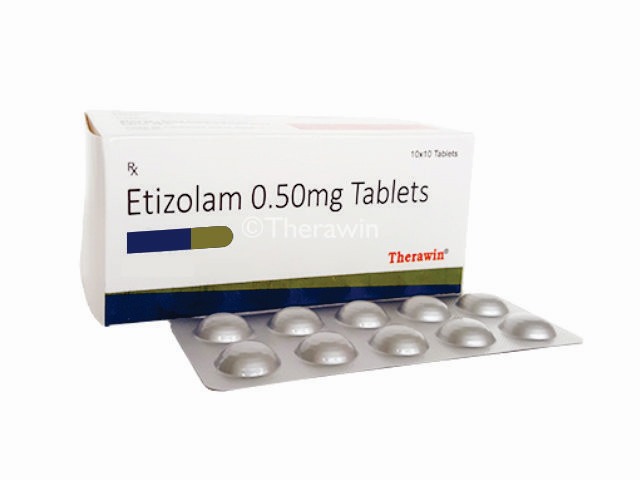
Etizolam Tablets: Uses, Risks & UK Legal Status
Etizolam tablets contain a thienodiazepine substance with effects similar to benzodiazepines. Etizolam acts on GABA-A receptors in the brain and can produce sedation, reduced anxiety, and muscle relaxation.
Although doctors have used etizolam in some countries, it is not authorised as a medicine in the United Kingdom.
Furthermore, etizolam carries important risks. These include dependence, withdrawal, memory problems, and potentially dangerous interactions with other medicines.
This guide explains what etizolam is, how it works, its reported medical uses, and the precautions associated with it.
For related educational information, explore our Sleep Aid Tablets UK category.
What Is Etizolam?
Etizolam belongs to the thienodiazepine class of substances.
Its chemical structure differs from traditional benzodiazepines because it contains a thiophene ring instead of a benzene ring.
However, both groups affect GABA-A receptor activity.
Etizolam has been used in some countries for anxiety and sleep-related conditions. Nevertheless, it is not an approved medicine for routine prescribing in the UK.
Etizolam: Key Information
| Feature | Description |
|---|---|
| Substance | Etizolam |
| Drug class | Thienodiazepine |
| Main pharmacological action | Enhancement of GABA-A receptor activity |
| Reported effects | Sedation, reduced anxiety, and muscle relaxation |
| UK classification | Class C controlled drug |
| UK regulatory schedule | Schedule 1 |
| UK medicinal authorisation | Not authorised |
| Dependence potential | Yes |
Etizolam Tablet Uses
Etizolam has been used medically in certain countries for several conditions.
These include:
- Anxiety disorders
- Panic-related symptoms
- Insomnia
- Anxiety-associated physical symptoms
However, these historical or overseas uses do not establish that etizolam is an appropriate or authorised treatment in the UK.
There is also insufficient justification to present it as a routine treatment for seizure disorders.
People experiencing persistent anxiety should seek professional assessment.
How Do Etizolam Tablets Work?
Etizolam enhances the effects of gamma-aminobutyric acid, commonly called GABA.
GABA is an inhibitory neurotransmitter. It helps regulate activity in the central nervous system.
Etizolam binds to the benzodiazepine site of GABA-A receptors. As a result, it increases the effects of GABA signalling.
This mechanism can produce several effects:
- Sedation
- Reduced anxiety
- Muscle relaxation
- Impaired alertness
- Reduced coordination
However, the same mechanism also contributes to dependence and withdrawal risks.
The claim that etizolam is six to ten times more effective than diazepam should not be treated as an established clinical comparison. Potency and effectiveness are different measures.
Etizolam and Anxiety Disorders
Etizolam has been used to manage anxiety symptoms in some countries.
However, anxiety treatment involves more than temporarily reducing nervous-system activity.
For example, healthcare professionals may recommend cognitive behavioural therapy (CBT), other psychological treatments, or appropriately licensed medicines.
The most suitable approach depends on the person’s symptoms, medical history, and treatment needs.
For further information, visit the NHS Generalised Anxiety Disorder Guide.
Etizolam and Sleep Disorders
Etizolam can produce sedative effects. Consequently, it has also been used for certain sleep-related problems outside the UK.
However, sedation does not necessarily provide restorative sleep or address the underlying causes of insomnia.
Persistent sleeping difficulties may require assessment for stress, sleep apnoea, medication effects, or other conditions.
Cognitive behavioural therapy for insomnia (CBT-I) is an important evidence-based treatment.
You can explore related information in our Sleep Aid Tablets UK category.
Possible Side Effects of Etizolam Tablets
Etizolam can cause several adverse effects.
Commonly reported side effects
These include:
- Drowsiness
- Fatigue
- Dizziness
- Poor balance
- Reduced concentration
- Memory problems
- Slurred speech
- Headache
- Nausea
The severity of these effects varies between individuals.
Serious adverse effects
More serious problems may include:
- Severe sedation
- Respiratory depression
- Confusion
- Loss of consciousness
- Dependence
- Withdrawal symptoms
- Overdose
The risk increases when etizolam is combined with alcohol, opioids, or other sedating substances.
Seek emergency medical assistance if someone experiences severe breathing difficulties or cannot be awakened.
Etizolam Precautions
Etizolam requires particular caution because of its sedative effects and dependence potential.
Important concerns include:
- Alcohol: Combining etizolam with alcohol can cause dangerous sedation.
- Opioids: Using both substances can increase the risk of respiratory depression.
- Driving: Etizolam can impair reaction time, judgement, and coordination.
- Dependence: Repeated use can cause physical dependence.
- Withdrawal: Stopping suddenly after regular use can cause serious symptoms.
- Pregnancy and breastfeeding: Safety concerns require professional medical assessment.
People with respiratory conditions, liver disease, sleep apnoea, or a history of substance misuse may face additional risks.
Etizolam and Other Medicines
Etizolam may interact with medicines that affect the central nervous system or its metabolism.
Examples include:
- Opioid pain medicines
- Other benzodiazepines
- Sleeping medicines
- Sedating antipsychotics
- Certain antidepressants
- Some antifungal medicines
- Certain enzyme-inducing medicines
Interactions can alter drug exposure or increase sedation.
Therefore, anyone who has taken etizolam should tell their healthcare professional about all medicines and supplements they use.
Etizolam Dosage and Administration
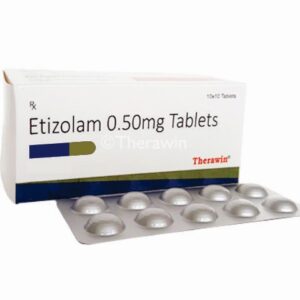
Etizolam has historically been manufactured in several strengths, including 0.5mg, 1mg, and 2mg.
However, these strengths do not establish an approved UK dosing schedule.
The original article included specific doses for anxiety, insomnia, and psychosomatic conditions. Those recommendations should not be presented as UK prescribing guidance because etizolam is not authorised for routine medicinal use in the UK.
Similarly, advice to take it regularly, change the timing of doses, or adjust quantities should not be used for self-medication.
Anyone already taking etizolam should seek individual medical advice.
Etizolam Dependence and Withdrawal
Repeated etizolam use can cause tolerance and physical dependence.
Tolerance occurs when the body becomes less responsive to a substance over time.
Physical dependence means withdrawal symptoms may develop when use is reduced or stopped.
Possible withdrawal symptoms include:
- Anxiety
- Insomnia
- Agitation
- Tremors
- Sweating
- Palpitations
- Confusion
- Seizures
Severe withdrawal can be dangerous.
Therefore, people who have been using etizolam regularly should seek medical advice before stopping.
Is Etizolam Legal in the UK?
Etizolam is classified as a Class C controlled drug in the UK.
It is also listed under Schedule 1 of the Misuse of Drugs Regulations.
Furthermore, etizolam does not have UK marketing authorisation as a medicine.
This means it should not be advertised as an ordinary licensed anxiety treatment or offered through a standard online pharmacy checkout.
For official information, consult the UK Government Controlled Drugs List.
Frequently Asked Questions About Etizolam
1. Is etizolam a high-risk drug?
Yes. Etizolam carries risks of dependence, withdrawal, impaired coordination, and overdose.
These risks increase when it is combined with other sedatives.
2. What are etizolam tablets used for?
Etizolam has been used in some countries for anxiety and sleep-related conditions.
However, it is not authorised as a medicine in the UK.
3. Should etizolam be taken in the morning or evening?
There is no approved UK dosing schedule for etizolam.
Anyone already taking it should obtain individual advice from a healthcare professional rather than relying on general timing recommendations.
4. How quickly does etizolam work?
Etizolam is a relatively short-acting substance. However, its effects vary depending on the formulation, individual metabolism, and other factors.
Its onset should not be used to guide self-medication.
5. What happens if someone misses a dose?
People taking etizolam regularly should seek professional advice about missed doses.
They should not double a dose to compensate.
6. What happens during an etizolam overdose?
An overdose can cause severe drowsiness, confusion, poor coordination, unconsciousness, and breathing difficulties.
Call emergency services immediately if an overdose is suspected.
7. Who should avoid etizolam?
Etizolam is not authorised for routine UK medical use.
It is particularly concerning for people with respiratory problems, sleep apnoea, liver disease, or a history of substance misuse.
Pregnant or breastfeeding individuals should also seek medical advice if exposure has occurred.
8. How long should etizolam be taken?
There is no approved UK treatment duration.
Prolonged use increases concerns about dependence and withdrawal.
9. When should someone stop taking etizolam?
Anyone taking etizolam regularly should discuss discontinuation with a healthcare professional.
Abrupt withdrawal may cause serious symptoms, including seizures.
10. Is it safe to take etizolam daily?
Daily use can increase the risk of tolerance and physical dependence.
Its lack of UK medicinal authorisation is another important concern.
11. What should be avoided with etizolam?
Avoid combining it with alcohol, opioids, or other sedatives.
Driving and operating machinery may also be dangerous because of impaired alertness and coordination.
12. What is the main warning associated with etizolam?
The main concerns include dependence, withdrawal, respiratory depression, and overdose.
Combining etizolam with other central nervous system depressants can be particularly dangerous.
13. Is etizolam safe during breastfeeding?
Its safety during breastfeeding has not been established adequately.
Anyone who is breastfeeding and has taken etizolam should seek professional advice.
Related Articles and Categories
Explore these related resources on Affordable Tablets UK:
- Sleep Aid Tablets UK — Educational information about sleep medicines.
- Zopiclone Tablets 7.5mg — Information about a prescription hypnotic.
- Eszopiclone Tablets — Uses, side effects, and safety information.
- Zaleplon — Information about a short-acting hypnotic.
- Affordable Tablets UK Homepage — Explore health and wellness information.
Conclusion
Etizolam is a thienodiazepine substance with effects similar to benzodiazepines.
Although it has been used medically in some countries, it is not authorised for routine medical use in the UK.
Furthermore, it carries serious risks, including dependence, withdrawal, sedation, and potentially dangerous interactions.
Anyone experiencing anxiety or persistent insomnia should seek professional advice about appropriate, licensed treatment options.
Medical disclaimer: This article is intended for educational purposes only. It does not recommend or facilitate the purchase or use of etizolam.
Reviews
There are no reviews yet.