
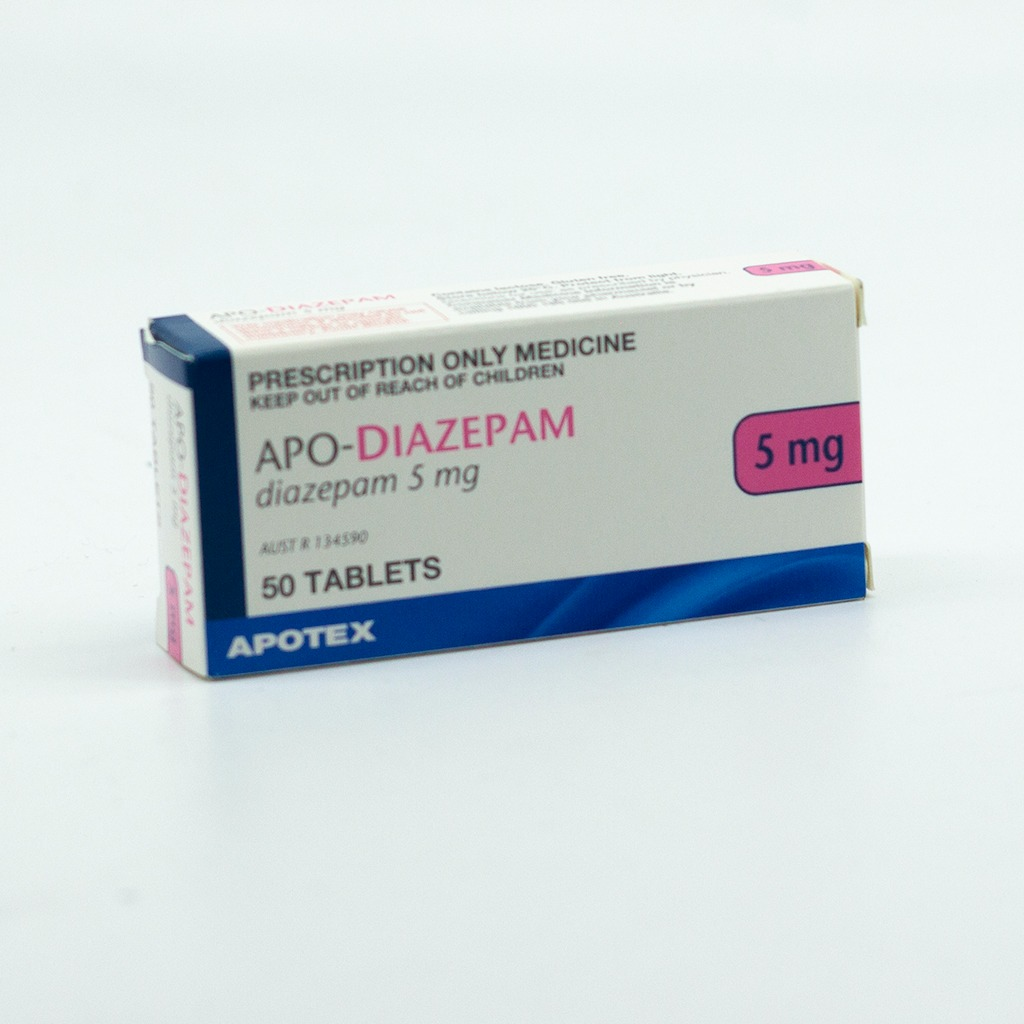
Diazepam Tablets UK: Uses & Safety
Diazepam tablets are prescription medicines used to treat severe anxiety, muscle spasms, and certain seizure-related conditions. Diazepam belongs to the benzodiazepine family of medicines.
The medicine affects the central nervous system. As a result, it can produce calming, muscle-relaxing, and anticonvulsant effects.
However, diazepam also carries important risks. These include drowsiness, impaired coordination, dependence, and withdrawal symptoms.
This guide explains the uses, strengths, side effects, and safety precautions associated with diazepam tablets in the UK.
What Are Diazepam Tablets?
Diazepam is a long-acting benzodiazepine medicine.
Healthcare professionals may prescribe it for severe anxiety that causes significant distress. They may also use it for muscle spasms, certain seizure conditions, and alcohol withdrawal under medical supervision.
However, diazepam is not generally suitable for long-term anxiety treatment.
Repeated use can cause tolerance and physical dependence. Therefore, doctors usually recommend the shortest appropriate treatment period.
Diazepam Product Specifications
| Feature | Information |
|---|---|
| Active ingredient | Diazepam |
| Medicine class | Benzodiazepine |
| UK tablet strengths | 2mg, 5mg, and 10mg |
| Form | Oral tablets |
| Prescription status | Prescription-only medicine |
| Controlled drug classification | Class C, Schedule 4 Part 1 |
| Main uses | Severe anxiety, muscle spasms, and certain seizure-related conditions |
| Dependence potential | Yes |
Tablet appearance, packaging, and inactive ingredients depend on the manufacturer.
What Are Diazepam Tablets Used For?
Doctors prescribe diazepam for several medical conditions.
Diazepam for Severe Anxiety
Diazepam may provide short-term relief from severe anxiety.
For example, some patients experience intense anxiety alongside shaking, sweating, or difficulty sleeping.
However, diazepam does not address every underlying cause of anxiety.
For persistent symptoms, doctors may recommend psychological therapies or other licensed treatments.
Diazepam for Muscle Spasms
Diazepam has muscle-relaxing properties.
Consequently, healthcare professionals may prescribe it for certain painful muscle spasms or neurological conditions involving muscle stiffness.
The treatment depends on the underlying condition.
Diazepam for Seizures
Diazepam has anticonvulsant effects.
Doctors may use it alongside other treatments for selected seizure disorders. Certain diazepam formulations also have specific emergency seizure indications.
However, different formulations are not interchangeable without medical advice.
Diazepam for Alcohol Withdrawal
Healthcare professionals sometimes use diazepam to manage alcohol withdrawal symptoms.
This requires medical supervision because severe alcohol withdrawal can be dangerous.
Patients should not attempt to manage serious withdrawal symptoms independently.
How Do Diazepam Tablets Work?
Diazepam enhances the effects of gamma-aminobutyric acid, commonly called GABA.
GABA helps reduce excessive nerve activity in the brain.
By increasing GABA-related effects, diazepam can produce relaxation and sedation.
In addition, it can reduce muscle tension and help control certain types of seizures.
However, these effects can also impair memory, alertness, and coordination.
Diazepam 2mg, 5mg, and 10mg Tablets
UK-authorised diazepam tablets are available in several strengths.
Diazepam 2mg
Diazepam 2mg is a lower-strength tablet.
Prescribers may use it when smaller doses or gradual adjustments are appropriate.
Diazepam 5mg
Diazepam 5mg is another authorised UK tablet strength.
Its suitability depends on the patient’s condition, medical history, and prescribed treatment plan.
Diazepam 10mg
Diazepam 10mg contains a higher amount of the active ingredient per tablet.
However, a higher strength is not automatically more appropriate or effective for an individual patient.
Patients should use only the strength and schedule specified by their prescriber.
How Should Diazepam Be Taken?
Diazepam should be taken exactly as prescribed.
Important precautions include:
- Follow the prescribed treatment schedule.
- Do not increase the dose independently.
- Avoid alcohol during treatment.
- Tell your prescriber about other medicines.
- Do not share prescribed tablets.
- Do not stop regular treatment suddenly.
Furthermore, patients should read the manufacturer’s patient information leaflet before using the medicine.
How Long Can Diazepam Be Used?
Diazepam is generally recommended for short-term treatment of severe anxiety.
UK guidance commonly limits this use to a maximum of four weeks.
However, other indications may require different treatment plans.
The appropriate duration depends on the medical condition and the prescriber’s assessment.
Longer treatment increases concerns about tolerance, dependence, and withdrawal.
Therefore, patients should discuss treatment duration and discontinuation with their healthcare professional.
Possible Side Effects of Diazepam
Like other benzodiazepines, diazepam can cause adverse effects.
Common Side Effects
These may include:
- Drowsiness
- Fatigue
- Dizziness
- Reduced concentration
- Poor coordination
- Muscle weakness
- Confusion
Older adults may be particularly sensitive to sedation and balance problems.
Serious Side Effects
More serious reactions can include:
- Breathing difficulties
- Severe confusion
- Significant memory problems
- Unusual behavioural changes
- Severe allergic reactions
- Dependence and withdrawal symptoms
Seek urgent medical assistance if someone develops severe breathing problems, becomes unconscious, or cannot be awakened.
Diazepam Warnings and Precautions
Diazepam is not suitable for everyone.
Patients should tell their prescriber about conditions such as:
- Sleep apnoea
- Severe breathing disorders
- Significant liver disease
- Myasthenia gravis
- A history of substance misuse
- Depression or other mental health conditions
- Pregnancy or breastfeeding
In addition, older adults may have a greater risk of falls and injuries.
Diazepam and Alcohol
Alcohol increases the sedative effects of diazepam.
Consequently, combining them can cause dangerous drowsiness, impaired judgement, and breathing problems.
Avoid alcohol during treatment.
Diazepam and Opioid Medicines
Combining diazepam with opioid pain medicines can cause severe sedation and respiratory depression.
In serious cases, this combination may lead to coma or death.
Therefore, healthcare professionals must carefully assess these risks.
Diazepam and Driving
Diazepam can reduce alertness and slow reaction times.
Its effects may continue after the initial feeling of sedation has passed.
Patients should not drive or operate machinery when impaired.
Can Diazepam Cause Dependence?
Yes. Diazepam can cause physical dependence.
Repeated use may also lead to tolerance.
Stopping suddenly after regular treatment can trigger withdrawal symptoms.
These may include:
- Rebound anxiety
- Insomnia
- Tremors
- Sweating
- Restlessness
- Palpitations
- Confusion
- Seizures in severe cases
Therefore, patients should follow a medically supervised withdrawal plan.
Diazepam vs Alprazolam
Diazepam and alprazolam are both benzodiazepines. However, they have different licensed uses and pharmacological characteristics.
| Feature | Diazepam | Alprazolam |
|---|---|---|
| Medicine class | Benzodiazepine | Benzodiazepine |
| UK-listed strengths | 2mg, 5mg, 10mg | Depends on authorised product |
| Main uses | Anxiety, muscle spasms, selected seizure conditions | Short-term severe anxiety |
| Duration of action | Long-acting | Shorter-acting |
| Dependence risk | Yes | Yes |
| Prescription required | Yes | Yes |
Neither medicine should be substituted for the other without medical advice.
Read our Alprazolam Tablets Guide for more information.
Frequently Asked Questions About Diazepam
1. What are diazepam tablets used for?
Diazepam tablets are used for severe anxiety, muscle spasms, and certain seizure-related conditions. Healthcare professionals may also use diazepam for alcohol withdrawal and medical premedication.
2. Is diazepam available in the UK?
Yes. Diazepam is available as a prescription-only medicine.
3. What tablet strengths are available?
UK-authorised diazepam tablets include 2mg, 5mg, and 10mg strengths.
4. Can diazepam help with anxiety?
Yes. Doctors may prescribe diazepam for short-term relief of severe anxiety.
5. Can diazepam cause drowsiness?
Yes. Drowsiness and reduced alertness are recognised side effects.
6. Is diazepam addictive?
Diazepam can cause dependence and addiction, including when used as prescribed.
7. Can diazepam be taken with alcohol?
No. Alcohol can increase sedation and the risk of serious breathing problems.
8. Can diazepam be used for sleeping problems?
Doctors may sometimes prescribe diazepam when severe anxiety is associated with insomnia. However, it is not a routine long-term sleep treatment.
9. Can diazepam be stopped suddenly?
Sudden discontinuation after regular use may cause serious withdrawal symptoms. Patients should seek medical advice before stopping.
10. Can diazepam affect driving?
Yes. Diazepam can impair concentration, coordination, and reaction time.
Related Articles and Categories
Explore additional information on Affordable Tablets UK:
- Alprazolam Anxiety Tablets — Information about another benzodiazepine.
- Clonazepam Tablets — Epilepsy treatment and safety information.
- Nitrazepam Tablets — Information about a benzodiazepine hypnotic.
- Zolpidem Tablets — Prescription sleeping medicine information.
- Sleep Aid Tablets UK — Sleep-health educational resources.
- Affordable Tablets UK Homepage — Explore the website.
Official Medical References
- NHS — Diazepam
- Diazepam 2mg — UK Summary of Product Characteristics
- Diazepam Patient Information Leaflet
Conclusion
Diazepam tablets are prescription-only benzodiazepine medicines used for severe anxiety and several other medical conditions.
Although diazepam can provide benefits for selected patients, it carries important risks.
These include sedation, dependence, withdrawal, and potentially dangerous interactions with other medicines.
Therefore, treatment requires professional assessment, appropriate prescribing, and careful monitoring.
Medical disclaimer: This article provides educational information and does not replace professional medical advice.


Reviews
There are no reviews yet.