
Sleep Aid Tablets UK
Quality sleep is one of the most important foundations of good physical and mental health. Unfortunately, millions of people experience difficulty falling asleep, staying asleep, or waking feeling refreshed.
This page provides general information about sleep aid tablets, common causes of poor sleep, and practical ways to improve sleep quality. It also explains when professional medical advice may be appropriate for persistent sleep problems.
Explore Sleep Aid Products
Our sleep section contains product information and educational resources covering commonly researched medicines associated with insomnia and sleeping difficulties.

- Sleep Aid Tablets
Eszopiclone Tablets UK | Uses, Dosage & Side Effects
Select options This product has multiple variants. The options may be chosen on the product page - Anxiety Medication
Etizolam Tablets UK | Uses, Side Effects & Risks
Select options This product has multiple variants. The options may be chosen on the product page - Sleep Aid Tablets
Nitrazepam Tablets 5mg UK | Uses & Side Effects
Select options This product has multiple variants. The options may be chosen on the product page - Sleep Aid Tablets
Zaleplon Tablets UK | Uses, Side Effects & Safety
Select options This product has multiple variants. The options may be chosen on the product page - Sleep Aid Tablets
Zolpidem Tablets UK | Uses, Dosage & Side Effects
Select options This product has multiple variants. The options may be chosen on the product page - Sleep Aid Tablets
Zopiclone 7.5mg Tablets UK | Uses, Dosage & Safety
Select options This product has multiple variants. The options may be chosen on the product page




What Are Sleep Aid Tablets?
Sleep aid tablets are medicines or pharmacy products intended to help people experiencing difficulty sleeping.
The term covers several different types of products rather than one specific medicine.
They may include:
- Pharmacy sleep aids
- Sedating antihistamines
- Prescription hypnotics
- Z-drugs
- Certain benzodiazepines used as hypnotics
Different medicines work in different ways and have different durations of action, side effects, interactions and dependence risks.
Prescription sleeping tablets should therefore not be considered interchangeable simply because they can all cause sleepiness.

What Is Insomnia?
Insomnia means regularly experiencing difficulty sleeping.
It can involve:
- Difficulty falling asleep
- Waking repeatedly during the night
- Waking earlier than intended
- Difficulty returning to sleep
- Feeling tired despite spending sufficient time in bed
- Poor concentration or irritability during the day
The amount of sleep people need varies considerably, so insomnia is not defined simply by sleeping fewer than a particular number of hours.
The more important consideration is whether poor sleep is persistent and negatively affecting daytime functioning.
What Causes Insomnia?
Insomnia can have many causes.
Common contributing factors include:
- Stress
- Anxiety
- Depression
- Changes in routine
- Shift work
- Jet lag
- Noise
- An uncomfortable sleeping environment
- Caffeine
- Nicotine
- Alcohol
- Certain medicines
- Long-term pain
- Menopause
- Some physical or mental health conditions
Sometimes more than one factor contributes to the problem.
Identifying the underlying cause is particularly important when sleep difficulties continue for a prolonged period.
Short-Term and Long-Term Insomnia
Not everyone experiencing insomnia has the same type of sleeping difficulty.
Short-Term Insomnia
Short-term insomnia may develop following stress, illness, bereavement, travel, changes in routine, or another temporary disruption.
The sleeping problem may improve when the underlying situation resolves.
Long-Term Insomnia
Insomnia that persists for months requires greater attention to possible underlying causes and maintaining factors.
Long-term insomnia should not automatically lead to long-term use of sleeping tablets. Behavioural and psychological approaches may play an important role in treatment.
Sleep-Onset Insomnia
Sleep-onset insomnia refers primarily to difficulty falling asleep after going to bed.
Sleep-Maintenance Insomnia
Sleep-maintenance insomnia involves difficulty remaining asleep, such as repeated waking during the night or waking much earlier than intended.
Understanding the pattern of insomnia can help a healthcare professional determine an appropriate management strategy.

Types of Sleep Aid Tablets in the UK
Several categories of sleep aids are available in the UK.
The distinction between pharmacy products and prescription medicines is important.
Pharmacy and Over-the-Counter Sleep Aids
Some short-term sleep aids are available from pharmacies without a prescription.
These may contain sedating antihistamines that cause drowsiness.
They are intended for temporary sleeping difficulties rather than ongoing treatment of chronic insomnia.
Pharmacy sleep aids should still be used carefully. They can cause side effects such as daytime drowsiness, dizziness and impaired concentration, and they may interact with other medicines.
Speak with a pharmacist if you are uncertain whether a pharmacy sleep aid is appropriate for you.
Prescription Sleeping Tablets
Prescription sleeping tablets may sometimes be considered when insomnia is severe and significantly interfering with normal life.
These medicines are generally intended for short-term treatment rather than indefinite use.
Examples include certain Z-drugs and benzodiazepine hypnotics.
Prescription sleeping medicines can cause side effects and may lead to tolerance, dependence, and withdrawal symptoms.
Z-Drugs
Z-drugs are non-benzodiazepine hypnotic medicines that affect GABA-related activity within the brain.
Medicines in this group include:
- Zopiclone
- Zolpidem
- Zaleplon
Although they differ chemically from benzodiazepines, they also have sedative effects and can cause tolerance, dependence and withdrawal.
In the UK, zaleplon, zolpidem and zopiclone are controlled drugs and should not be treated like ordinary over-the-counter sleep aids.
Benzodiazepine Sleeping Medicines
Some benzodiazepines have also been used as hypnotic medicines.
Benzodiazepines increase the activity of GABA, an inhibitory chemical messenger in the nervous system. This produces calming and sedative effects.
However, these medicines can also cause:
- Daytime drowsiness
- Reduced coordination
- Memory difficulties
- Impaired concentration
- Tolerance
- Dependence
- Withdrawal symptoms
For these reasons, hypnotic medicines are generally reserved for situations where short-term pharmacological treatment is considered appropriate.
Zopiclone for Insomnia
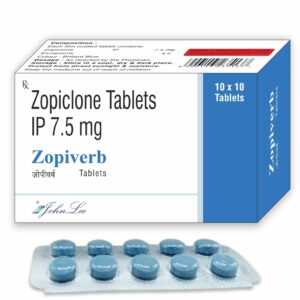
Zopiclone is a prescription-only sleeping medicine used for the short-term treatment of insomnia.
It may be prescribed when someone has difficulty falling asleep, repeatedly wakes during the night, or wakes too early, and the sleep disturbance is affecting everyday life.
Zopiclone generally begins working within approximately 30 to 60 minutes.
Treatment is usually limited to a short period because the body can develop tolerance and dependence.
People researching this medicine should read our detailed Zopiclone information for its uses, side effects, precautions, and withdrawal considerations.
Zolpidem for Insomnia
Zolpidem is another prescription sleeping medicine used for the short-term treatment of severe insomnia.
It works by affecting GABA activity in the brain and can help some people fall asleep more quickly and wake less frequently during the night.
Zolpidem generally begins working in around an hour.
Like other hypnotic medicines, it is normally prescribed only for a limited period because tolerance and dependence can develop.
See our Zolpidem guide for more detailed information about how this medicine works and its potential risks.
What About Zaleplon?
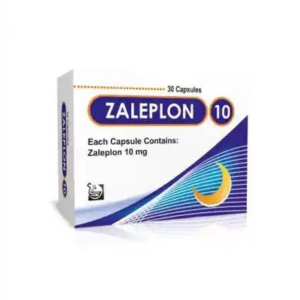
Zaleplon is another short-acting Z-drug associated particularly with difficulty falling asleep.
Its pharmacological characteristics differ from zopiclone and zolpidem, but this does not mean one sleeping medicine should automatically be substituted for another.
The choice of treatment should take account of the individual’s symptoms, medical history, other medicines and professional assessment.
Read our dedicated Zaleplon Sleep Tablets guide for further information.
How Do Sleeping Tablets Work?
Different sleep aids work through different mechanisms.
Many prescription hypnotics influence chemical signalling within the brain that controls neuronal activity and alertness.
Z-drugs and benzodiazepines affect the GABA system.
GABA is an inhibitory neurotransmitter. Increasing its effects can reduce nervous-system activity and produce sedation.
This can help explain why these medicines may make it easier to fall asleep.
However, the same central nervous system effects can also produce:
- Drowsiness
- Slower reaction times
- Dizziness
- Reduced coordination
- Memory problems
- Next-day impairment
This is why sleeping medicines need to be used carefully.
How Quickly Do Sleeping Tablets Work?
There is no single answer because different sleep aids have different pharmacological characteristics.
For example, zopiclone typically begins working within approximately 30 to 60 minutes, while zolpidem generally takes around one hour.
Pharmacy sleep aids and other prescription hypnotics can have different onset times.
Never take additional tablets simply because a medicine has not produced the expected effect as quickly as anticipated.
Follow the instructions supplied with the medicine and the directions of the prescribing healthcare professional.
How Long Are Sleeping Tablets Used For?
Many prescription hypnotics are intended for short-term use.
Zopiclone and zolpidem, for example, are generally prescribed for periods ranging from a few days to a few weeks and normally not longer than four weeks.
Short treatment periods are recommended partly because tolerance and dependence can develop.
Tolerance means the medicine may become less effective after repeated use.
Dependence means the body has adapted to the medicine and withdrawal symptoms may occur when it is reduced or stopped.
The appropriate duration of treatment depends on the medicine and individual circumstances.
Can Sleep Aid Tablets Cure Insomnia?
Sleeping tablets may relieve insomnia symptoms, but they do not necessarily address the underlying cause.
If poor sleep is being driven by stress, anxiety, depression, chronic pain, another medical condition, medication, or behavioural factors, treating those contributing factors may be more important for long-term improvement.
For persistent insomnia, treatment may include approaches such as cognitive behavioural therapy for insomnia (CBT-I) and changes to sleep-related habits.
Medication can therefore be one component of insomnia management rather than a universal cure.
Common Side Effects of Sleeping Tablets
Side effects vary according to the specific medicine.
Possible effects associated with sedating sleep medicines can include:
- Daytime sleepiness
- Dizziness
- Headache
- Reduced concentration
- Slower reaction times
- Problems with coordination
- Memory difficulties
- Unusual dreams
- Changes in taste
Some adverse reactions can be more serious.
Always read the patient information supplied with a medicine and seek professional advice if you experience severe, persistent or unexpected symptoms.
Sleeping Tablets and Next-Day Drowsiness
Some sleeping medicines can continue affecting alertness after waking.
This can impair:
- Driving
- Cycling
- Operating machinery
- Work requiring concentration
- Activities requiring rapid reactions
Do not assume that waking up means the effects of a hypnotic medicine have completely disappeared.
Follow the driving and safety advice supplied with the specific medicine.
Dependence, Tolerance and Withdrawal
Dependence is one of the most important considerations with prescription sleeping tablets.
Repeated use of some hypnotics can lead to physical dependence.
Tolerance may also develop, meaning that the original dose produces less effect over time.
Withdrawal symptoms can occur when some sleeping medicines are suddenly discontinued after regular use.
Possible withdrawal effects can include:
- Anxiety
- Restlessness
- Difficulty sleeping
- Irritability
- Sweating
- Trembling
- Changes in mood
More serious withdrawal reactions are possible with some medicines.
Do not independently increase the dose of a sleeping medicine because it appears to have become less effective, and do not abruptly stop regular treatment without appropriate medical advice.
Sleeping Tablets and Alcohol
Alcohol should not be treated as a harmless addition to sleeping medication.
Both alcohol and many hypnotic medicines depress activity within the central nervous system.
Combining them can significantly increase:
- Sedation
- Dizziness
- Poor coordination
- Impaired judgement
- Difficulty waking
With some sedating medicines, combining central nervous system depressants can contribute to serious breathing problems.
Follow the alcohol advice provided for the specific medicine you are taking.
Sleeping Tablets and Other Medicines
Sleep medicines can interact with other medicines, particularly those that also cause sedation.
These may include:
- Opioid painkillers
- Benzodiazepines
- Certain antidepressants
- Sedating antihistamines
- Some epilepsy medicines
- Other sleeping medicines
Using multiple sedating medicines can increase impairment and other adverse effects.
Tell your doctor or pharmacist about prescription medicines, pharmacy products and supplements you are already using before starting another sleep aid.
Healthy Sleep Habits
Medication is not the only approach to improving sleep.
Good sleep habits can be particularly important when insomnia is related to lifestyle or